
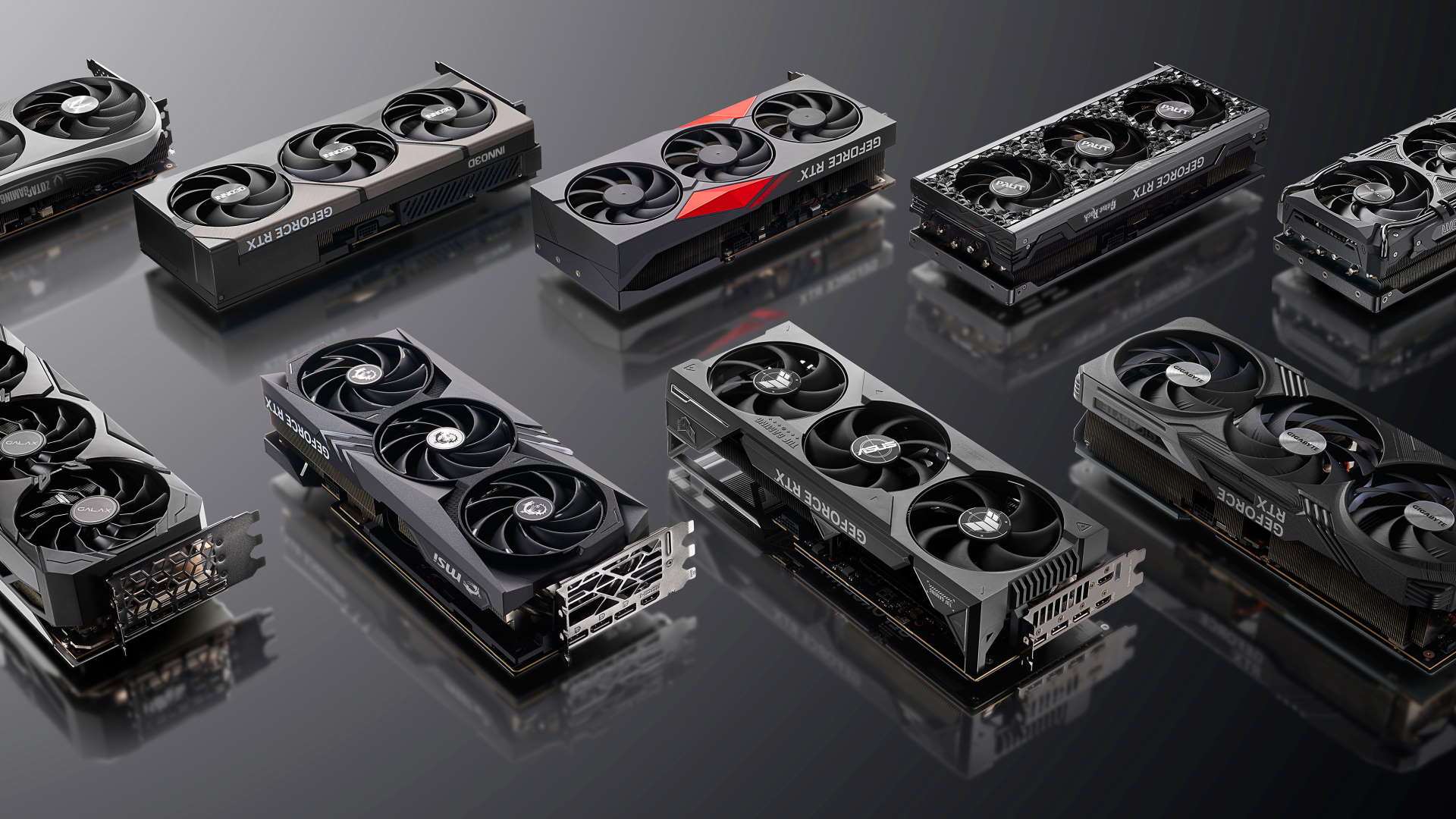
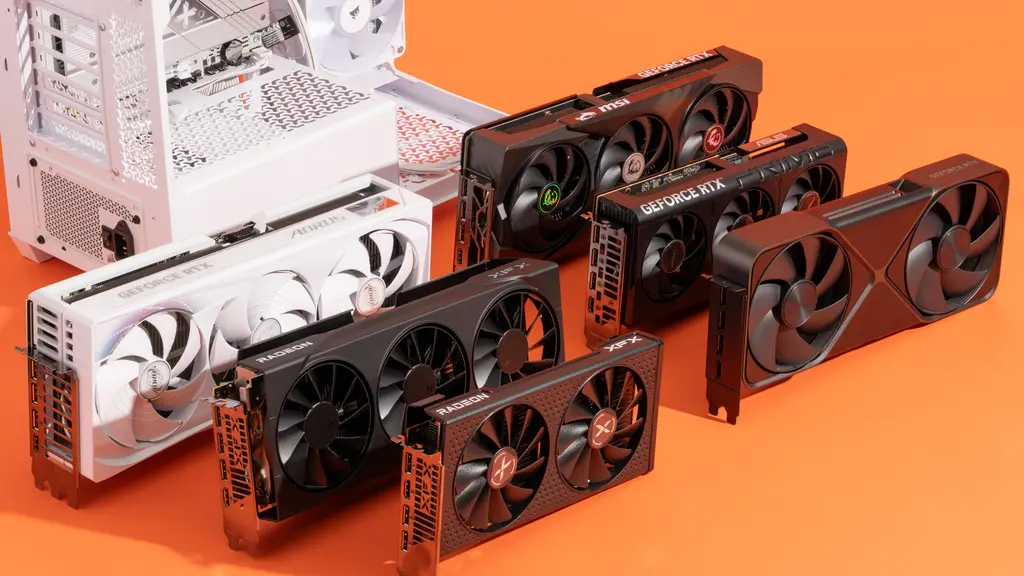
Trying to buy a graphics card in 2025 feels like déjà vu for seasoned PC gamers—sky-high prices, scarce availability, and a growing sense of frustration. Despite the bold MSRP announcements made by AMD, Nvidia, and Intel during flashy product unveilings, the reality on the ground is something entirely different. A new statistical deep-dive by Gamers Nexus lays it all out in painful detail, confirming what many enthusiasts have already experienced firsthand: if you’re shopping for a mid-range or high-end GPU, you’re likely paying well over the so-called “base” price—and that’s if you’re lucky enough to find one in stock at all.
According to the data, high-end graphics cards like the RTX 5090 and RTX 5080, as well as AMD’s RX 9070 XT, are routinely selling at prices that are 45% to 55% above MSRP. The RTX 5090, for instance, is listed at an average of just over $3,000 across major retailers like Amazon, Newegg, and Best Buy—despite Nvidia’s $2,000 base price tag. The RTX 5080 fares even worse, with a jaw-dropping 57% markup. But the mid-range market isn’t spared either. Cards like the RTX 5070, 5070 Ti, and RX 9070 are seeing average price hikes of 20–27% over their official MSRPs.
Even Intel’s value-focused Arc B580, intended as a $250 budget card, isn’t immune—its average selling price has inflated by more than 50%, pushing it well outside the budget category. The reasons behind this chaos are familiar to anyone who lived through the GPU droughts of the crypto mining era: chronic understocking, scalping bots, and resellers looking to make quick profits, compounded by growing demand from PC gamers eager to upgrade.
Add-in board (AIB) partners and retailers also bear some responsibility. Only a tiny fraction of GPU units are being sold at the base configurations announced by AMD and Nvidia. Instead, the market is flooded with factory-overclocked cards featuring superficial cooling tweaks and RGB lighting—”upgrades” that mostly serve to justify inflated price tags. Meanwhile, Nvidia and AMD seem to be focusing more on supplying large-scale corporate clients and AI startups, echoing past prioritization seen during crypto-fueled shortages.
There’s a noticeable divide in buyer preferences as well. Cards offering both 8GB and 16GB VRAM variants are skewing heavily toward the latter, with 16GB options for the RTX 5060 Ti and RX 9060 XT outselling their 8GB counterparts by more than 10 to 1. This isn’t surprising, given that today’s games and creative workloads are increasingly memory-hungry—and no one wants to invest in a $400+ GPU with insufficient headroom. Ironically, the RTX 5060—one of the few cards widely available—is also one of the least desirable, having performed poorly in reviews and being ignored by Nvidia’s own press outreach.
In summary, the exhaustive market data confirms what gamers already know: it’s a rough time to buy a graphics card. Prices remain stubbornly inflated, stock is inconsistent, and there are few signs that things will improve anytime soon. Until supply balances out and manufacturers rethink their pricing strategies—or face real competition—it looks like PC gamers will need to keep waiting, settle for less, or pay up.