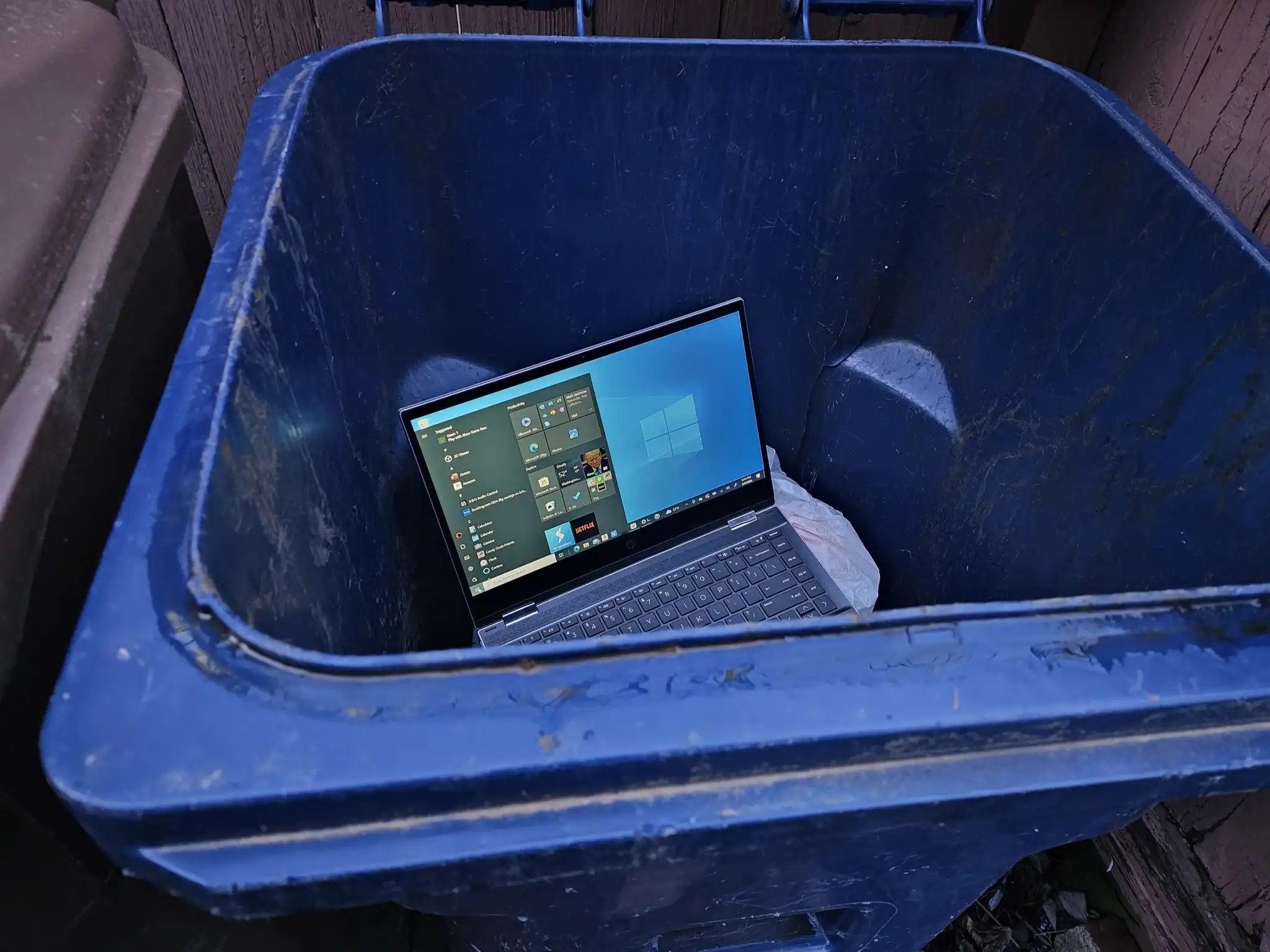


Microsoft has quietly acknowledged a series of system stability issues stemming from recent mandatory Windows 11 updates, despite earlier claims that the operating system is their “most reliable” version to date. The admission comes after weeks of user complaints, and the company’s delayed confirmation only adds to the mounting frustration among Windows 11 users.
The problems began in earnest with cumulative updates KB5060842 and KB5063060, which were released in June as part of the ongoing 24H2 rollout. These updates were mandatory and installed automatically on many systems. Unfortunately, they introduced a host of unintended side effects. Users encountered a range of installation errors—such as 0x800f0922, 0x80070002, 0x80070306, and 0x800f0991—that disrupted the update process altogether. Even those who successfully installed the updates weren’t in the clear, as numerous post-installation issues began to surface.
Reports included serious performance degradation, most notably in popular games like Fortnite and Counter-Strike: Global Offensive, where frame rate drops and even spontaneous restarts were observed. Other widespread complaints centered on the Windows taskbar freezing intermittently and Windows Firewall logging incorrect events. For gamers and professionals alike, these issues were more than a minor nuisance—they directly impacted productivity and user experience.
Microsoft has now addressed some of these concerns in the documentation for preview update KB5062660, which is currently optional. The company notes that the update resolves problems related to overall system stability and a specific issue involving Windows Firewall logs. The vague language—describing devices that “became unresponsive and stopped responding in specific scenarios”—provides little technical explanation but does at least acknowledge that the problems existed.
KB5062660 is not yet a required update and must be installed manually via Windows Update or the Microsoft Update Catalog. It is expected to roll out to all Windows 11 systems on Patch Tuesday in August. For users experiencing crashes, freezing, or other stability issues, installing this update could help mitigate the damage caused by earlier patches.
Despite these fixes, the entire situation underscores ongoing concerns about Microsoft’s update testing and rollout strategies. While the company has promised improvements to Windows 11’s reliability, including better driver certification and quality assurance processes, these promises will need to be backed by tangible results to restore user trust.