After nearly four years on the market, Windows 11 has finally surpassed Windows 10 in desktop usage, just as support for the older OS begins to wind down. According to Statcounter, Windows 11 crossed the 52% mark in early July, overtaking Windows 10, which dropped from 53.2% in June to 44.6%. The shift comes just months before Windows 10’s official end of support in October 2025—though Microsoft recently extended the deadline by one year under certain conditions.
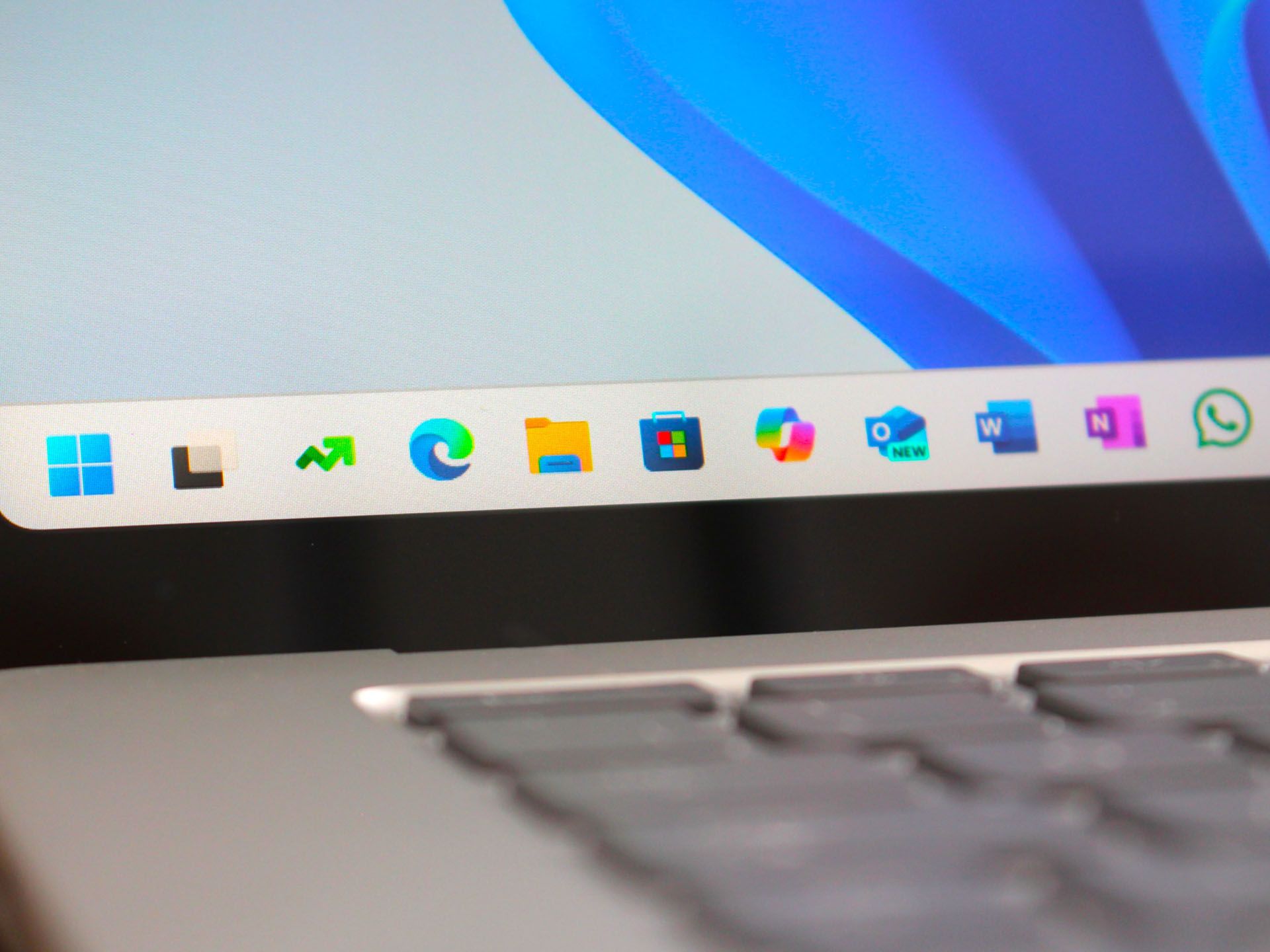
For months, Windows 10 had stubbornly retained its dominance, forcing Microsoft to take increasingly aggressive steps to push users onto Windows 11. From pop-ups and ads to tighter integration of new features like Copilot AI and Recall, the company pulled out all the stops. Yet resistance remained strong, with many users skeptical of the changes, concerned about hardware requirements, or simply comfortable with what they already had.
The belated surge in Windows 11 adoption may have been triggered by the looming expiration of Windows 10 support, but Microsoft also quietly introduced a paid extension program for Windows 10 users—$30 for one year of security updates. Whether that carrot was enough on its own is debatable, but it gave cautious users an option while they weighed their next move.
Interestingly, Windows 7 still refuses to vanish entirely, clinging to 2.35% of the Windows install base. In the bigger picture, Windows remains dominant in the desktop space with about 70% share, but once mobile devices are factored in, the picture changes drastically: Android leads globally with 47.7%, followed by Windows at 24.7%, and iOS/iPadOS at 16.9%.
It’s not just consumers who’ve been slow to switch. Corporations often wait years before transitioning operating systems, especially when their fleets of Windows 10 machines remain fully functional. Gamers, too, are increasingly hesitant—especially given hardware shortages and soaring GPU prices. Many are exploring cheaper alternatives, including handheld PCs like the Steam Deck, or simply leaning into gaming consoles for more stable pricing.
Microsoft once promised that Windows 10 would be the “last version of Windows,” updating it forever. That dream quietly died with Windows 11’s release—and yet, ironically, Windows 10 has outlived Microsoft’s expectations in practice. Even with official support winding down, it’s likely to remain installed on millions of machines well into the second half of the decade, whether Microsoft likes it or not.