Windows 11 Nearly Overtakes Windows 10 in Desktop Market Share
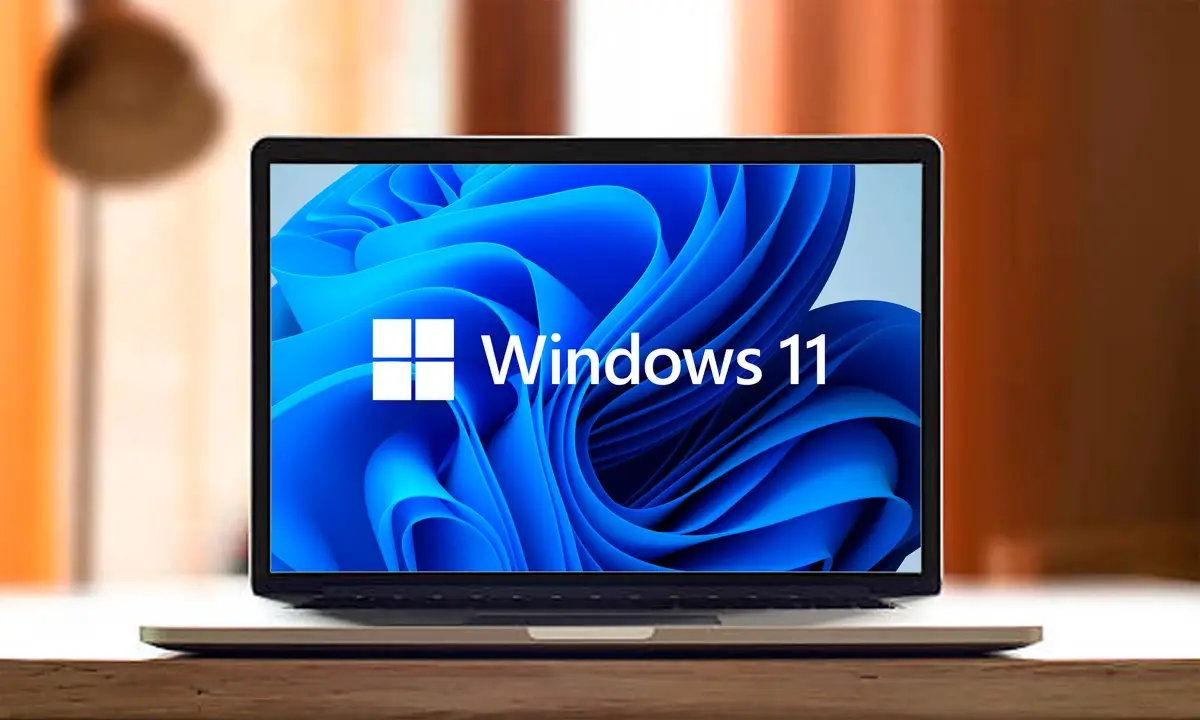
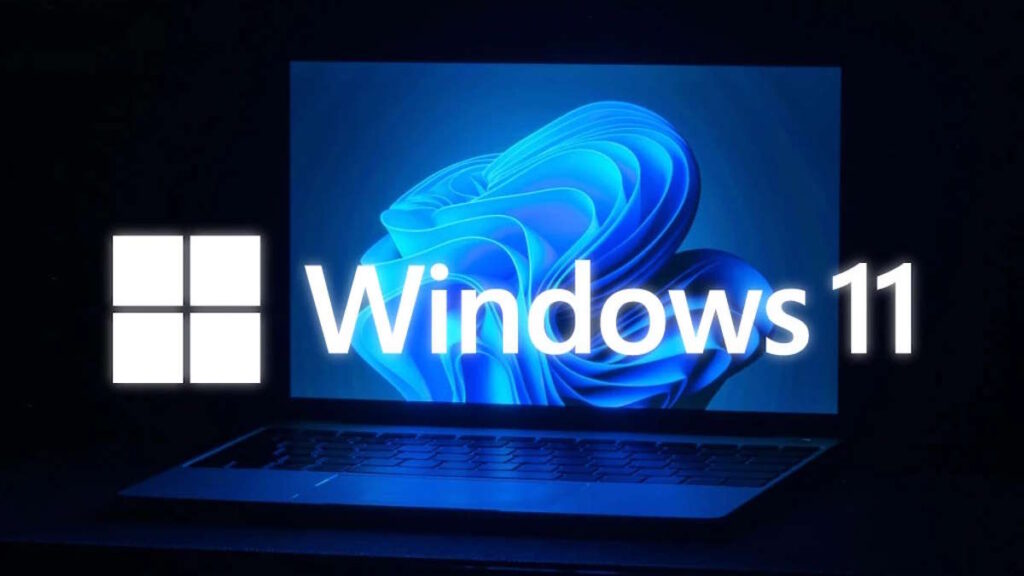
According to the latest data from Statcounter, Windows 11 is on the verge of overtaking Windows 10 in global desktop usage. As of June 2025, Windows 11 holds 47.8% of the market, up sharply from 43.0% just a month prior. That nearly 5-point leap in a single month marks the largest month-over-month gain for the newer OS since its launch, and it comes almost entirely at the expense of Windows 10, which slipped to 48.9%.
Microsoft’s persistent push to migrate users from Windows 10 to Windows 11 appears to be paying off. With official support for Windows 10 ending in October 2025, the company has stepped up its messaging around potential security risks, performance enhancements, and AI-enabled features exclusive to Windows 11. Many users who had been holding out—either due to hardware limitations or a general reluctance to switch—now seem to be making the move.
At this pace, Windows 11 is expected to officially surpass Windows 10 by the end of July 2025, marking a major turning point in Microsoft’s long-term OS strategy. As the transition continues, expect further marketing pushes, software updates, and possibly even hardware incentives designed to nudge users over the line.
While most users are now on modern Windows systems, Statcounter’s data also reveals that a small but persistent group still clings to older versions. Around 2.2% remain on Windows 7, while 0.6% still use the ill-fated Windows 8 or 8.1. Most surprising of all, 0.43% of users are somehow still using Windows XP, an OS that lost mainstream support over a decade ago. These legacy users may be on air-gapped systems, legacy industrial hardware, or simply unwilling to change—a security risk Microsoft has long warned about.
If nothing else, the June surge in Windows 11 adoption underscores the power of deadlines and the effectiveness of Microsoft’s marketing—and it’s likely just the beginning of an even steeper curve in the months ahead.