
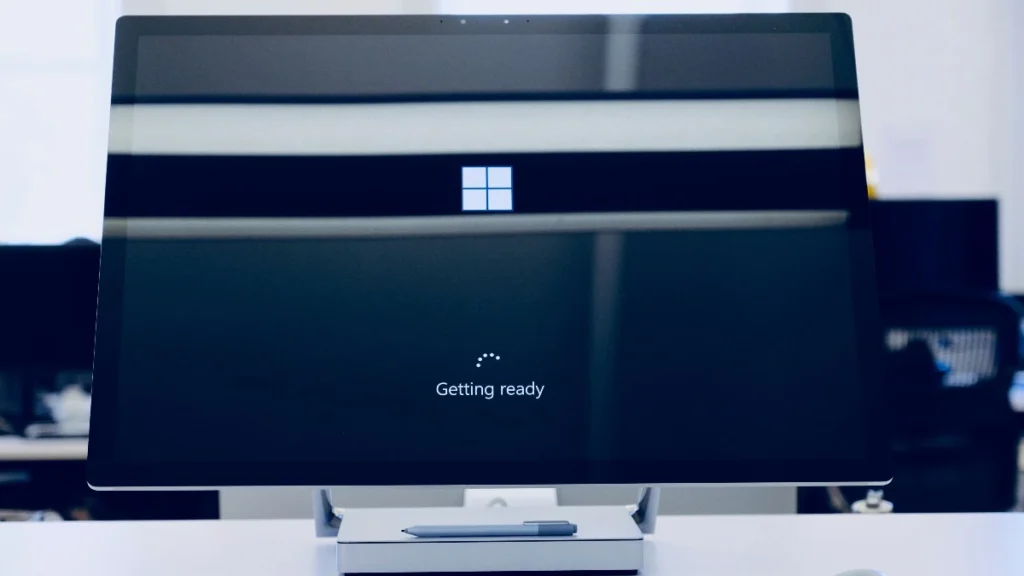
Microsoft has offered a bold glimpse into the future of Windows computing through a new video featuring David Weston, the company’s Corporate Vice President of Enterprise & Security. In the video, Weston outlines his vision for how Windows might evolve by 2030, with a heavy emphasis on AI-driven interaction. One of the most striking predictions is the apparent obsolescence of traditional input devices like keyboards and mice. Weston suggests that, within just a few years, these staples of computing may feel “as alien as DOS” to Generation Z — a statement that has raised eyebrows given that Gen Z is currently between 13 and 30 years old and still heavily reliant on conventional input methods.
The reaction to Microsoft’s vision has been largely skeptical. Viewers have taken to the video’s comment section to voice their discomfort with the idea of abandoning physical input devices in favor of voice commands or AI agents. Many users have expressed a preference for alternative platforms, with some claiming they’d rather switch to Linux or macOS than adapt to a Windows ecosystem devoid of mouse and keyboard support. The backlash highlights an ongoing tension between rapid technological innovation and user comfort with established workflows — a challenge Microsoft will need to address if it plans to shift human-computer interaction so drastically in the next five years.