

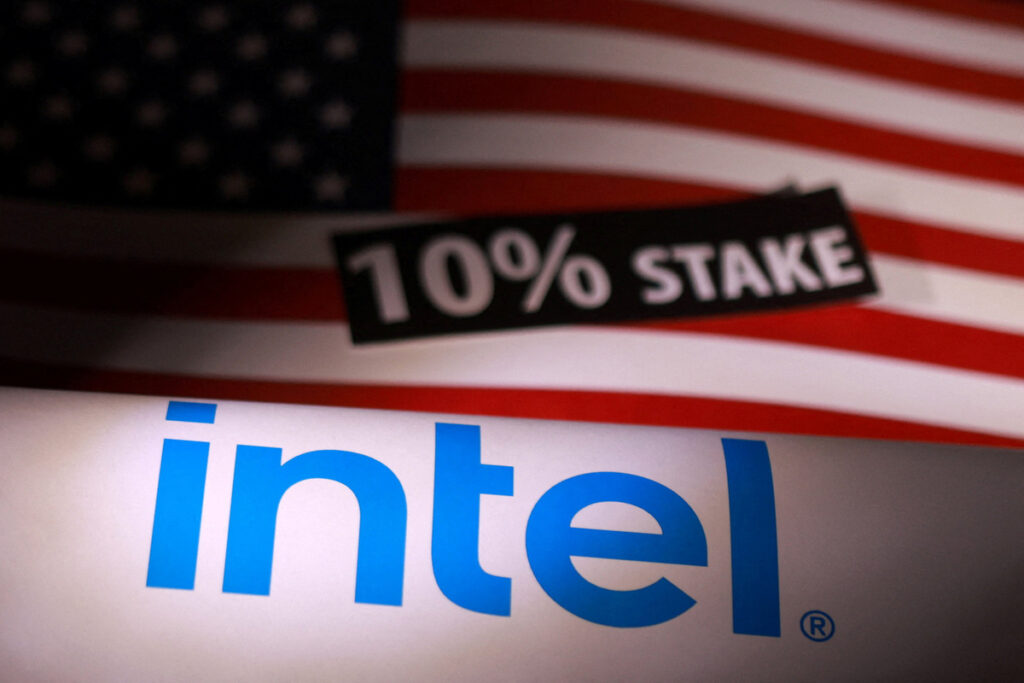
Intel has officially confirmed that the U.S. government will invest $8.9 billion into the company as part of an equity agreement, marking one of the most significant state-backed commitments in semiconductor history. The announcement follows weeks of speculation, with President Trump confirming the deal during a White House press briefing on Friday. The investment is structured through a combination of $5.7 billion in pending CHIPS and Science Act grants and $3.2 billion from the Secure Enclave program, totaling $11.1 billion when combined with previous grants already received. In exchange, the government will acquire 433.3 million shares of Intel common stock at $20.47 per share, amounting to a 9.9 percent stake in the company. Despite Intel’s shares closing at $24.80 in after-hours trading, the government secured the purchase at a lower rate, further solidifying its strategic backing of the U.S.-based chipmaker.
The agreement is designed to be non-intrusive, with the government pledging to remain a passive investor, abstaining from any board representation or governance influence. However, the deal comes with strategic conditions, including an option for the government to acquire an additional five percent of shares if Intel’s foundry ownership falls below 51 percent—an assurance that reinforces the company’s commitment to domestic manufacturing. Intel’s CEO Lip-Bu Tan emphasized the importance of this historic collaboration, noting that the investment aligns with U.S. efforts to strengthen national security through advanced semiconductor capabilities. While the capital injection provides Intel with vital resources to advance its foundry ambitions, questions linger about whether the company can attract enough customers to justify its expansive manufacturing plans, especially amid previous delays in facilities across Ohio, Poland, and Germany.