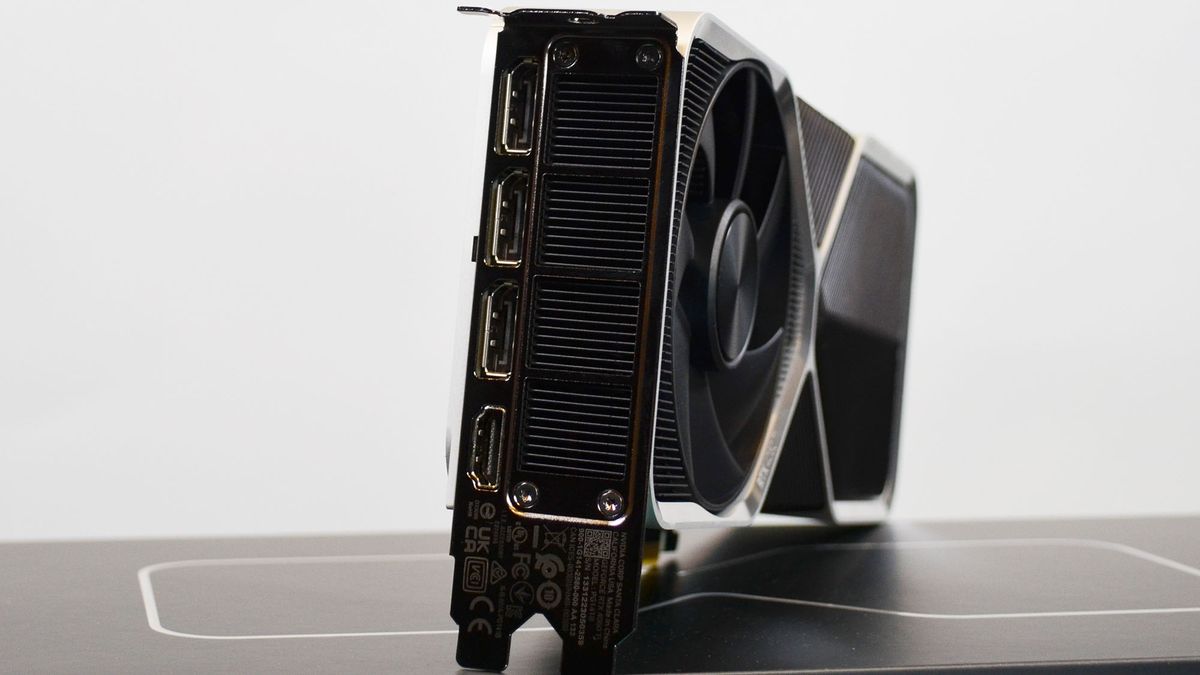


The latest numbers from Jon Peddie Research paint a stark picture of the desktop graphics card market: Nvidia’s dominance is nearly absolute. At the close of the second quarter of 2025, the company commands a staggering 94 percent share of the discrete GPU market, leaving AMD with just six percent and Intel barely registering at all. For AMD, the slide has been steady and painful—down from 12 percent at the same point in 2024, to eight percent earlier this year, and now hitting a new low.
This consolidation underscores a reality that has been clear to gamers and PC builders for some time: Nvidia has turned its strong lead in performance and features into something approaching a monopoly. Despite AMD releasing new Radeon cards at competitive prices across both consumer and professional markets, its share continues to shrink. Meanwhile, Nvidia benefits from a perfect storm of demand, from its GeForce gaming lineup to enterprise customers snapping up GPUs for AI and data center workloads. The company’s momentum from the cryptocurrency mining boom has carried forward into the AI gold rush, cementing its place as the supplier to beat.
It’s important to note that the figures apply only to desktop add-in boards, not integrated graphics solutions. That means a large portion of laptops, compact desktops, and mini PCs aren’t counted here, and in those spaces AMD’s integrated graphics continue to shine. Still, for those who care about dedicated GPUs—especially PC gamers—the situation is clear. Even the arrival of Nvidia’s latest RTX 50-series hasn’t shaken the market much, though the one silver lining is that some of those cards are finally being found at reasonable retail prices after months of scarcity.
Outside the GPU space, AMD is finding more success. On CPUs, Jon Peddie reports that AMD’s Ryzen chips have cut into Intel’s share, with Intel dropping from 76 percent in Q2 2024 to 67 percent this year. AMD’s combination of efficient mobile processors with powerful integrated graphics and its cache-heavy X3D desktop chips have helped it maintain momentum. But unless AMD can make major moves in the discrete graphics market—potentially by expanding ROCm and software support to Windows—it risks being relegated to a permanent second place while Nvidia continues to tighten its grip.