
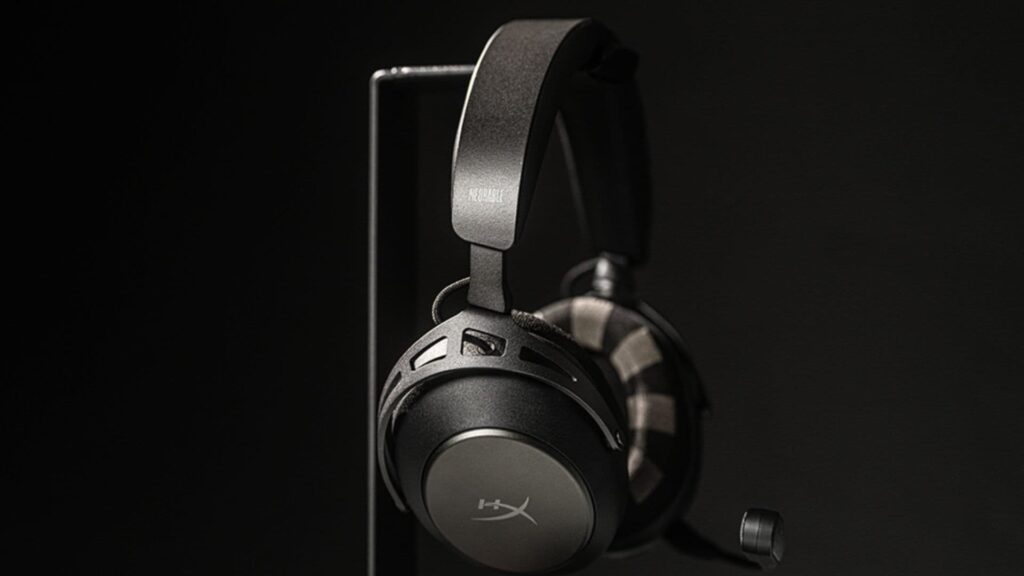
Gaming headsets are nothing new at CES, but 2026 marks the first time a headset controlled by the human brain has appeared on the show floor. Boston-based neurotechnology company Neurable announced a partnership with HP to develop a HyperX-branded gaming headset that uses brain-computer interface (BCI) technology to enhance gameplay through real-time neural feedback.
The prototype headset, which is currently unnamed, is being showcased at CES and features earcups embedded with BCIs similar to those used in medical imaging technologies such as MRI systems. These sensors are designed to read and track a player’s brainwaves while gaming, allowing the system to analyze cognitive states like focus and concentration. According to Neurable and HP, this data can be used to improve player performance by adapting gameplay insights based on the user’s mental engagement.
While technical specifics remain limited, the headset appears to focus primarily on measuring concentration levels. Players use the headset alongside Neurable’s software platform, called Prime, which helps users “train” their focus. The system provides visual cues to indicate when a player’s concentration reaches an optimal level, encouraging them to recognize and replicate that mental state during gameplay.
In a press release distributed via BusinessWire, Neurable highlighted results from internal testing of its Prime neurofeedback system. The company claims that both casual gamers and esports athletes demonstrated measurable performance improvements during FPS training sessions. On average, participants reduced reaction times by 43 milliseconds, increased accuracy by 0.53 percent, and hit nearly nine additional targets in a psychometric target-shooting task.
Neurable CEO and cofounder Ramses Alcaide described the collaboration as a major milestone for the company, stating that HyperX enables neurotechnology to reach gamers at an unprecedented scale. He added that integrating BCIs invisibly into familiar gaming hardware could redefine how players understand and improve their performance. At this stage, the headset does not have a confirmed release date or pricing.