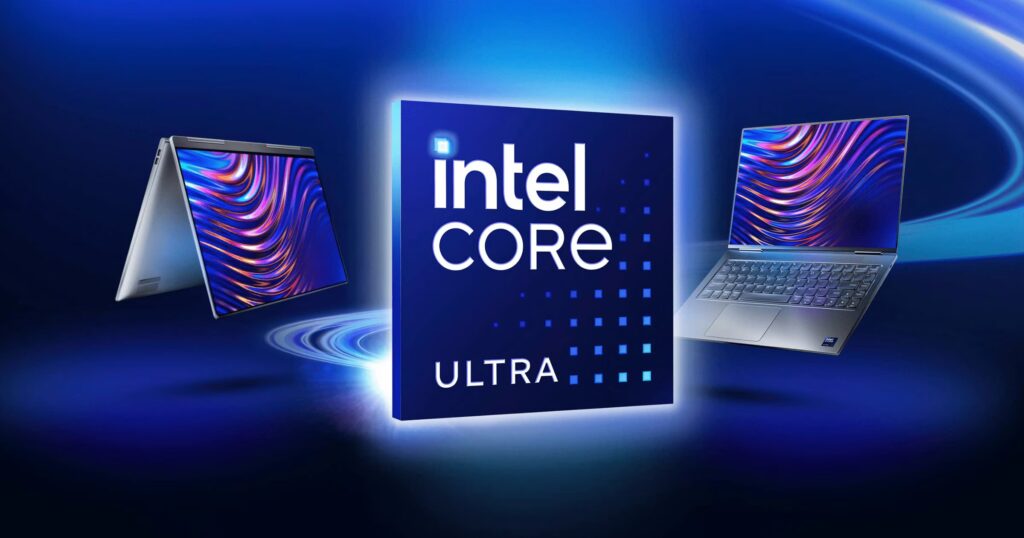
AMD currently dominates the handheld PC gaming market, with its integrated graphics processors powering most of the category’s leading devices, but Intel is positioning its upcoming Core Ultra Series 3 “Panther Lake” chips as a renewed attempt to reclaim ground. The handheld PC segment has expanded rapidly in recent years as gamers gravitated toward more affordable, portable alternatives to traditional gaming laptops and desktops. AMD has benefited from this growth thanks to its long-standing experience in console-class system-on-chip designs, which closely mirror the requirements of handheld gaming systems.
Intel has appeared in the handheld space before, most notably with its Core Ultra Series 2 “Lunar Lake” processors, which surfaced in at least one handheld device ahead of Computex 2024. However, that effort failed to significantly disrupt AMD’s dominance. Intel attributes this in part to the immaturity of the market at the time, as well as to missing ecosystem elements such as a unified, controller-friendly software interface. Since then, the platform has evolved, with Microsoft introducing a full-screen gaming interface designed specifically for handheld PCs, helping lay the groundwork for broader adoption.
According to Intel, Panther Lake brings architectural changes that better suit handheld gaming, including the return of low-power E-cores that were absent from Lunar Lake. Intel argues that these efficiency-focused cores are particularly well suited to gaming workloads in constrained power environments. The company also claims that AMD’s current handheld processors rely on older silicon, while Panther Lake represents a more modern, purpose-built approach. Rather than reusing an off-the-shelf mobile processor, Intel says it is developing a customized Panther Lake derivative optimized specifically for handheld devices.
Despite Intel’s renewed push, AMD continues to benefit from strong partnerships with device makers, with products like the ROG Xbox Ally and Lenovo Legion Go relying on AMD’s Z1 and Z2 chips. Intel has not yet disclosed whether Panther Lake handheld processors will debut under a new branding scheme or form a distinct product family, indicating that further details will be revealed closer to launch.