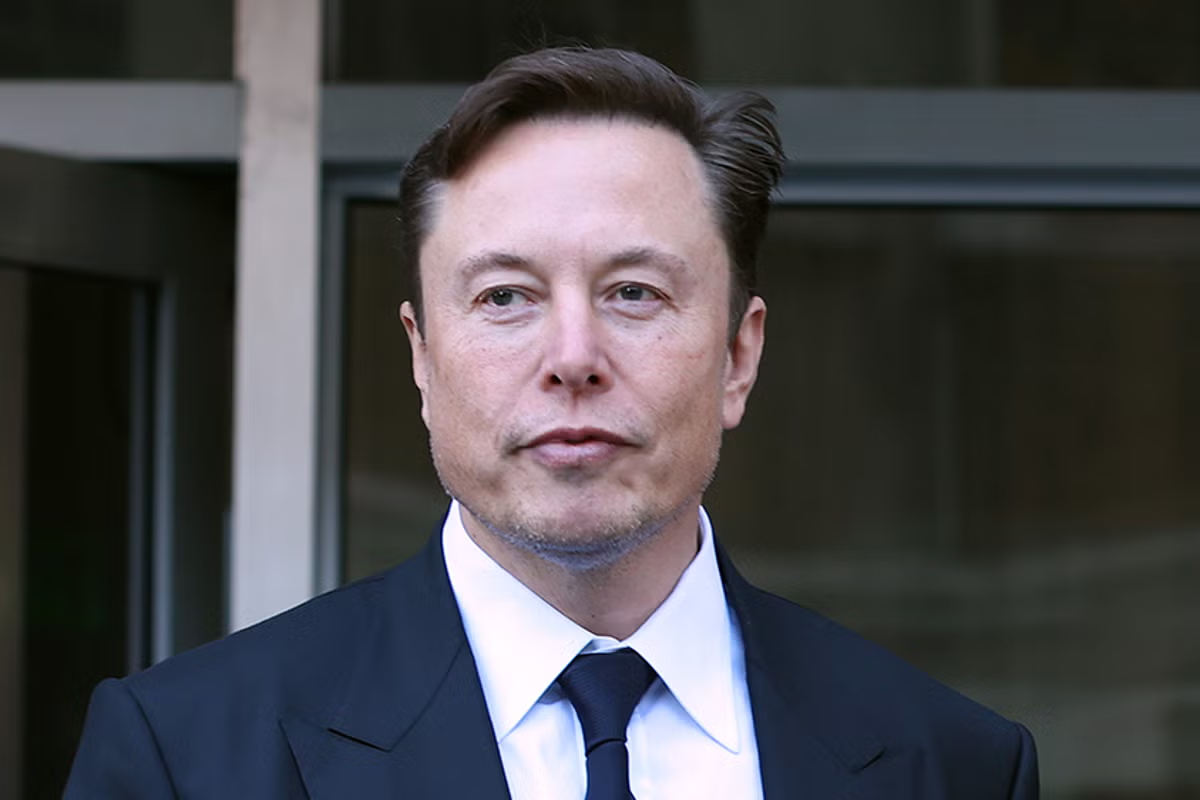
Elon Musk has filed a court motion seeking up to $134 billion in damages from OpenAI and Microsoft, arguing that both companies unfairly benefited from his early involvement and financial support in the artificial intelligence venture.
According to a filing submitted to a federal court in California, Elon Musk claims that OpenAI gained between $65.5 billion and $109.4 billion as a result of his contributions when he co-founded the organization in 2015. Microsoft is alleged to have gained between $13.3 billion and $25.1 billion from the same early support.
Musk asserts that he provided approximately $38 million, representing around 60% of OpenAI’s initial seed funding, while also helping recruit staff, connect founders with key industry contacts, and lending credibility to the project at its inception. His legal team argues that these actions were essential to OpenAI’s growth and eventual valuation.
“Without Elon Musk, there’d be no OpenAI,” said his lead trial lawyer, Steven Molo, in a statement. The filing compares Musk’s position to that of an early startup investor who is entitled to gains far exceeding the original investment.
OpenAI rejected the claim, calling it an “unserious demand” and part of what it described as a harassment campaign. Microsoft declined to comment on the compensation figures outside of business hours.
Earlier this week, OpenAI characterized the lawsuit as baseless, while a lawyer for Microsoft stated there is no evidence the company assisted OpenAI in any alleged wrongdoing. Both companies also filed motions asking the court to limit the testimony of Musk’s expert witness, financial economist C. Paul Wazzan, arguing that his valuation analysis is unreliable and could mislead jurors.
Musk left OpenAI in 2018 and now leads xAI, which develops the chatbot Grok. He alleges that OpenAI violated its original nonprofit mission by restructuring into a for-profit entity behind its widely used product ChatGPT.
A judge in Oakland, California, has ruled that the case will proceed to a jury trial, currently expected to begin in April. Musk’s filing also notes that he may seek punitive damages and other penalties, including a possible injunction, should the jury find either company liable.