Smart glasses are often associated with expensive, futuristic gadgets that never quite lived up to expectations. For many people, they still evoke memories of Google Glass, which promised a hands-free computing experience a decade ago but struggled to gain widespread adoption.
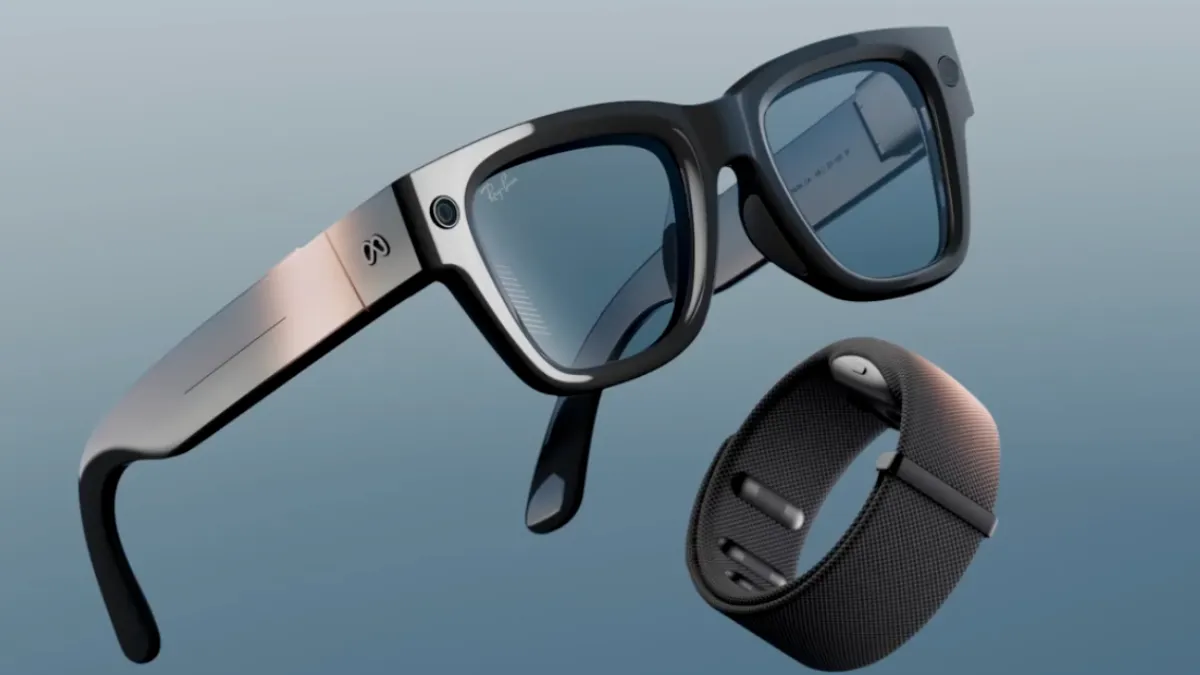
Today’s generation of smart glasses looks far less futuristic and far more practical. Designed to resemble ordinary eyewear, some models allow users to take calls, listen to music without headphones, record first-person video or receive navigation instructions discreetly. In many cases, they are almost indistinguishable from regular glasses.
Beyond consumer convenience, smart glasses are increasingly finding meaningful applications in accessibility, professional environments and education, where their value lies in solving real-world problems rather than showcasing novelty.
One of the most significant developments is their use as hearing support devices. Unlike traditional hearing aids, smart glasses do not sit inside the ear. Instead, they rely on microphones and digital signal processing to enhance speech while reducing background noise, with settings controlled via a smartphone app. Several companies are targeting users with mild to moderate hearing loss, while others focus on people who do not require medical-grade devices but need assistance in meetings or noisy settings.
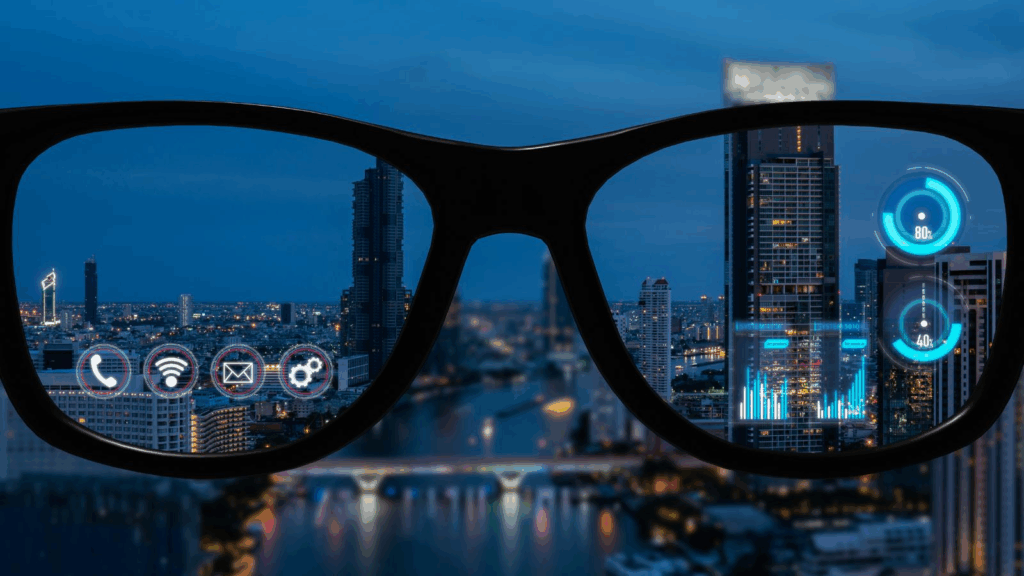
In professional and industrial contexts, smart glasses are being deployed as productivity tools. In factories, construction sites, hospitals and technical services, they enable workers to access instructions and real-time information without using their hands or diverting attention from the task. Technicians can receive audio guidance, carry out remote-assisted maintenance and train new employees through first-person visual support, improving efficiency and reducing errors.
Education is another area where smart glasses are gaining traction. By overlaying contextual information directly into a student’s field of view, the technology supports hands-free learning in technical and scientific disciplines. Students can follow step-by-step instructions while conducting experiments or working with equipment, while teachers can monitor progress and provide guidance remotely.
Experts also highlight their potential for accessibility in learning environments. Smart glasses can provide real-time subtitles, text-to-speech conversion, sign language interpretation and visual alerts, helping students with hearing impairments or attention difficulties participate more fully.
As the technology matures, smart glasses are increasingly moving beyond their image as futuristic gadgets. Instead, they are quietly becoming practical tools that enhance accessibility, productivity and learning across a growing range of everyday settings.