
The Federal Communications Commission is set to vote on a proposal that would prohibit all China-based laboratories from testing electronic devices intended for use in the United States, significantly expanding prior restrictions.
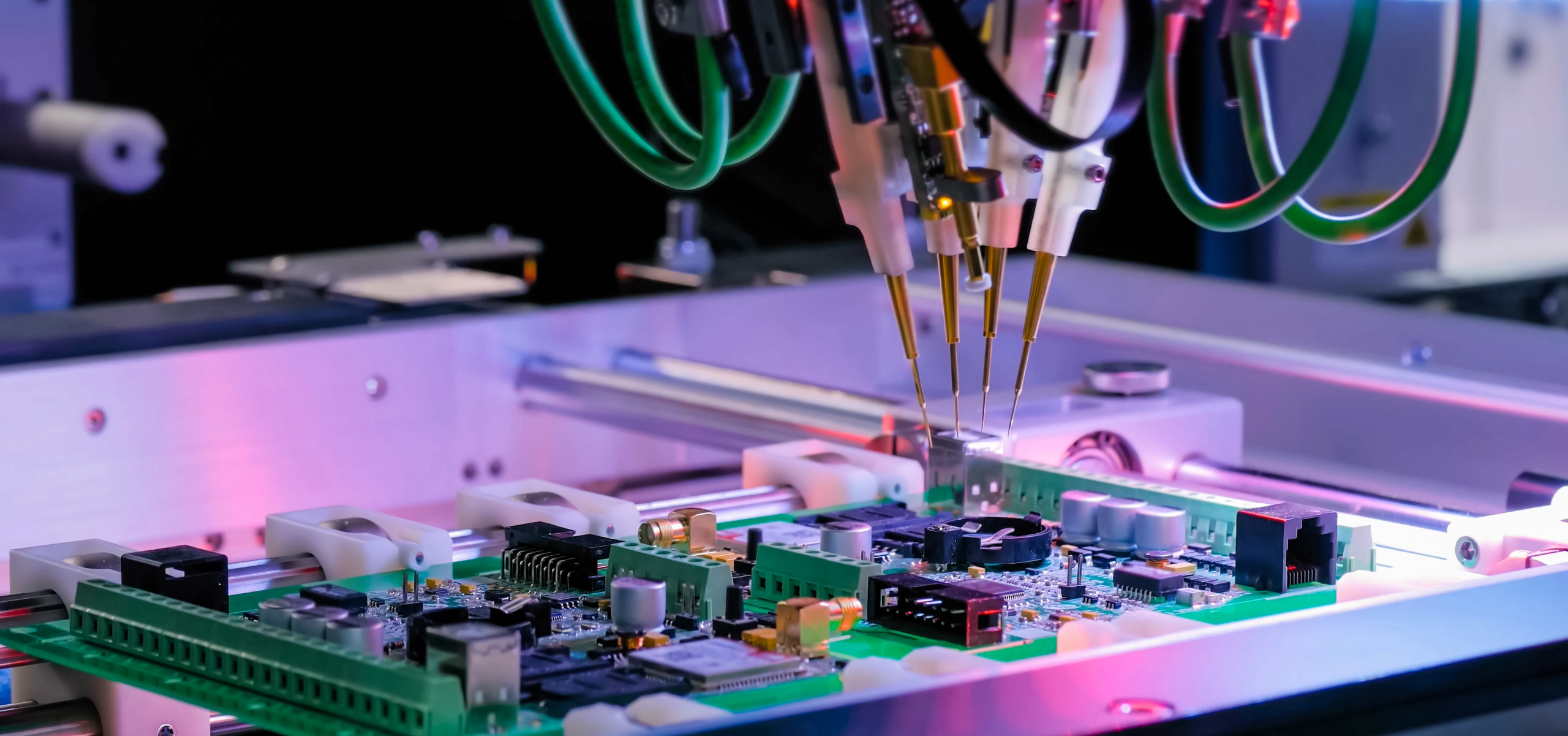
The proposal targets certification processes for products such as smartphones, computers and cameras. Currently, a large portion of U.S.-bound electronics—estimated at around 75%—are tested in Chinese labs, highlighting the scale of potential disruption.
The FCC had already barred 23 labs linked to the Chinese government in earlier measures. The new proposal would extend the ban to all Chinese testing facilities, citing national security concerns.
As part of the same initiative, the agency plans to introduce a streamlined approval pathway for devices tested in the U.S. or in countries considered low-risk. The FCC is scheduled to vote on the proposal on April 30, after which it will open a public comment period before finalizing any rule changes.
The move is part of a broader U.S. effort to limit reliance on Chinese technology and infrastructure. Previous actions have included restrictions on companies such as Huawei, ZTE and Hikvision, as well as bans on Chinese drones and networking equipment.
Critics argue that expanding the ban could disrupt global supply chains and increase certification costs, while supporters view it as a necessary step to secure the U.S. communications ecosystem.
The proposal reflects escalating technology tensions between Washington and Beijing, particularly in areas tied to national security and critical infrastructure.