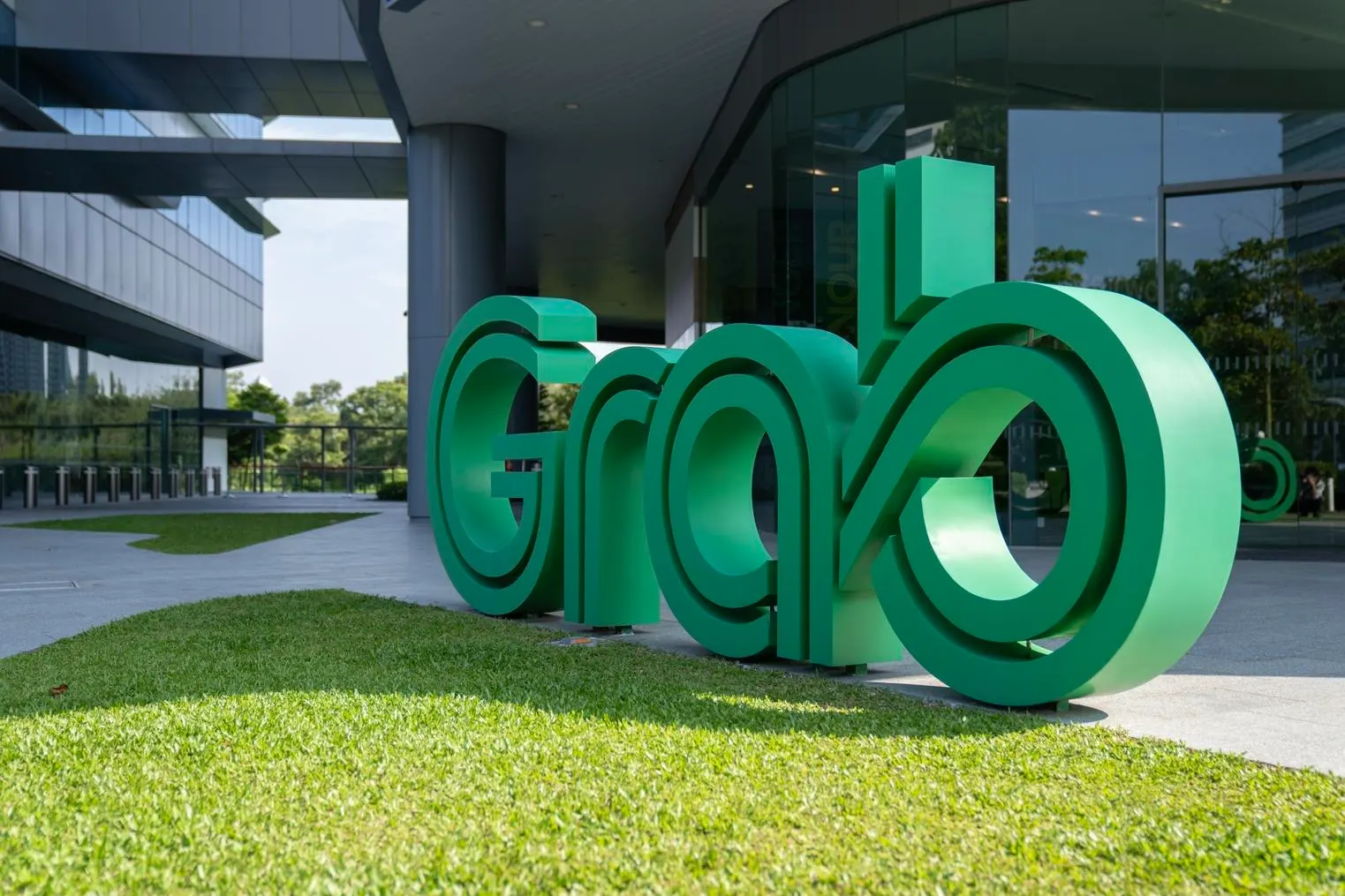
Grab is intensifying its focus on artificial intelligence to sustain growth and manage rising operational pressures, particularly fuel costs linked to geopolitical tensions.
CEO Anthony Tan stated that AI-driven products are central to the company’s strategy, helping optimize pricing, improve efficiency and maintain affordability for users amid economic uncertainty.
The Singapore-based firm recently expanded beyond Southeast Asia by acquiring Foodpanda Taiwan from Delivery Hero, marking its first move outside its core regional markets. Despite this expansion, Grab has issued a weaker-than-expected revenue forecast for fiscal 2026, reflecting slowing demand in ride-hailing and food delivery services.
The company reported its first full-year net profit earlier this year, but its shares have declined significantly, indicating investor concerns about growth momentum and macroeconomic headwinds.
Tan emphasized that Grab’s scale provides a competitive advantage, enabling access to large datasets that support AI-driven decision-making and product development. One example is a newly launched “group ride” feature, which uses AI to calculate fare splits and can reduce costs for users by up to 40%.
Grab unveiled 13 new AI-powered products, although it did not disclose total investment figures. These solutions aim to improve user experience, increase demand and mitigate cost pressures.
Indonesia, the region’s largest economy, remains a key growth market, with the company planning further expansion and product rollouts there.
The strategy reflects a broader trend among technology platforms leveraging AI to maintain margins and competitiveness in environments marked by rising costs and fluctuating consumer demand.