
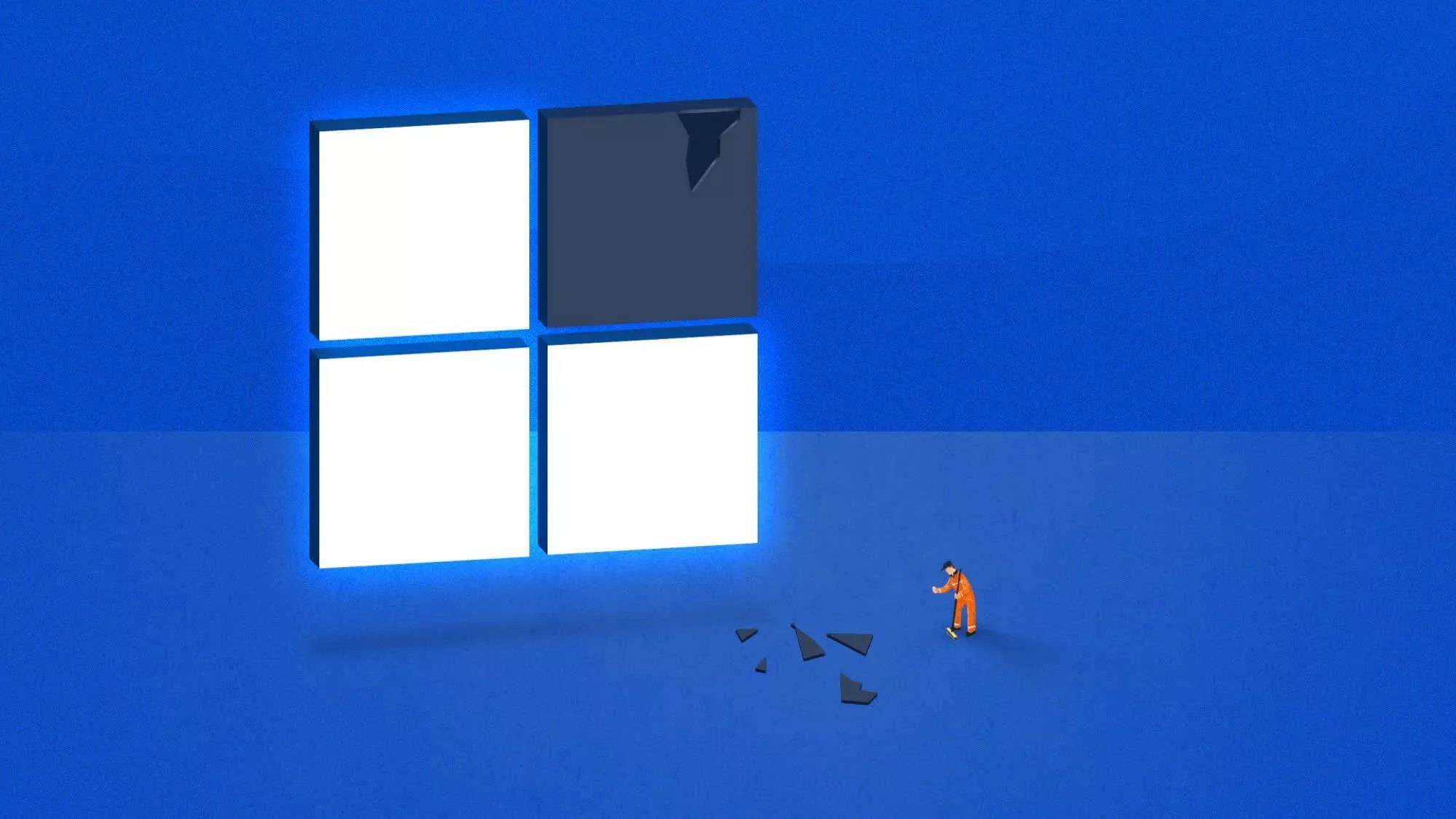

Microsoft is reportedly working on an internal initiative called “Windows K2,” a long-term effort focused on improving the overall quality and performance of Windows 11.
A response to years of criticism
According to reports, the K2 project was launched in late 2025 to address many of the complaints users have raised about Windows 11.
The initiative reportedly focuses on three major areas:
- Performance
- Reliability
- Craft
These categories reflect ongoing criticism surrounding sluggish behavior, problematic updates, and excessive feature bloat.
Not Windows 12
Despite speculation, Windows K2 is reportedly not a brand-new operating system.
Instead, Microsoft is said to be treating it as a broad modernization effort that improves Windows 11 through targeted updates extending into 2027.
Performance becomes top priority
Microsoft is reportedly prioritizing speed improvements across core parts of Windows.
Areas receiving attention include:
- File Explorer
- Start menu
- Taskbar
- System responsiveness under heavy load
The company is also said to be implementing a new compositor system for WinUI 3 to improve interface smoothness.
Faster Start menu and search
Reports claim the redesigned Start menu could become significantly more responsive, with some internal testing allegedly showing up to 60 percent faster reactions.
Microsoft is also working on:
- Faster file searches
- Reduced idle memory usage
- Better responsiveness on lower-end hardware
The goal appears to be a leaner version of Windows that feels less bloated.
Gaming improvements inspired by SteamOS
Gaming performance is another focus area.
Microsoft reportedly wants Windows to better compete with Linux-based gaming systems such as SteamOS over the next few years.
The company is believed to be targeting:
- Reduced gaming overhead
- Better efficiency
- Improved compatibility and stability
AI no longer the centerpiece
One notable shift involves Microsoft’s approach to AI.
After criticism over aggressive integration of Copilot features throughout Windows, the company reportedly plans to reduce unnecessary AI clutter and focus more on practical usability improvements.
User feedback taking larger role
Microsoft is also increasing interaction with the Windows community through:
- Expanded Windows Insider engagement
- More active developer responses
- Direct tester meetings and feedback sessions
The company appears eager to rebuild trust after several years of controversial design and update decisions.
Early changes already appearing
Some improvements are already rolling out, including:
- Easier update management
- Fewer forced restarts
- More flexible installation timing during setup
Microsoft’s broader goal is reportedly to make Windows stable enough that major reboots become far less frequent.