
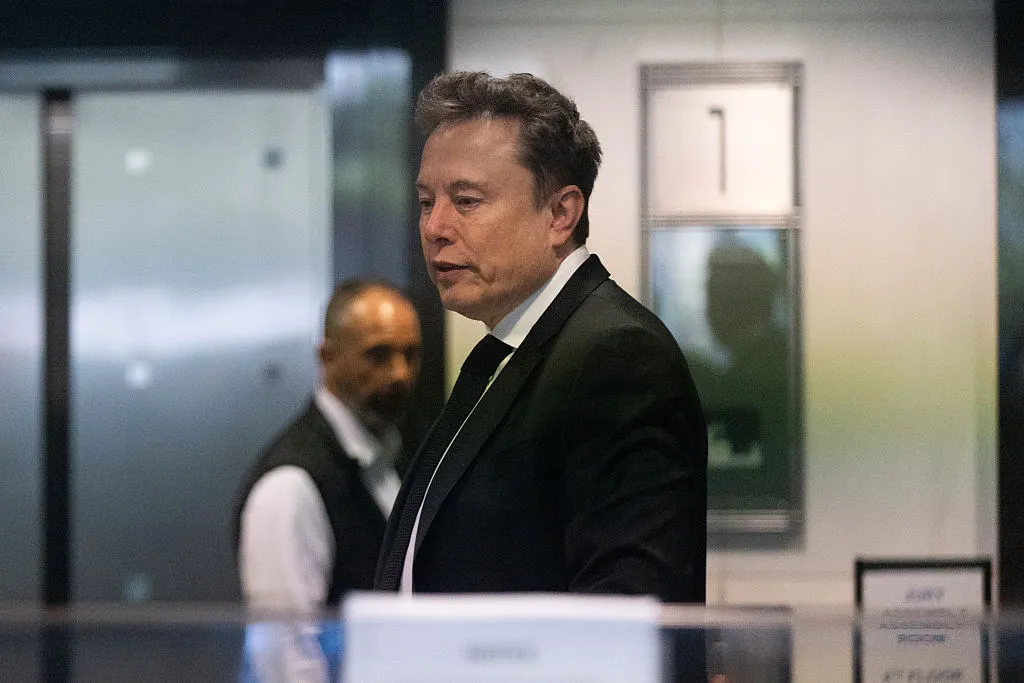
Elon Musk’s testimony in the high-profile OpenAI trial presented his legal battle not simply as a corporate dispute, but as a broader ideological conflict over whether OpenAI abandoned its original nonprofit mission and shifted from public-interest AI stewardship into commercial power.
Across more than seven hours of testimony, Musk repeatedly characterized OpenAI’s founding as a charitable initiative designed to protect humanity from dangerous AI concentration. He argued that OpenAI’s later transition toward a profit-driven structure, especially through Microsoft’s multibillion-dollar involvement, represented a betrayal of its founding principles.
Musk also portrayed himself as central to OpenAI’s creation, claiming he originated the concept, recruited foundational talent such as Ilya Sutskever, secured early resources, and leveraged relationships with Microsoft and Nvidia leadership to help establish the organization. His testimony sought to reinforce the idea that OpenAI may not have existed in its current form without his early strategic role.
A major focus of Musk’s case centered on AI safety. He described OpenAI as a direct response to concerns that large technology companies, particularly Google, were not sufficiently prioritizing existential AI risks. Musk argued that his concerns about humanity’s survival shaped OpenAI’s original purpose as a counterweight to unchecked corporate AI development.
At the same time, the trial exposed contradictions in Musk’s own position, particularly regarding his for-profit xAI venture. While criticizing OpenAI’s commercialization, Musk defended xAI by arguing that for-profit structures can still provide social benefit, highlighting one of the trial’s central tensions.
The case could have lasting implications for how nonprofit governance, AI ethics, and commercialization are legally interpreted in the future. Beyond OpenAI itself, the proceedings underscore a growing global debate over who controls advanced AI, what obligations founders owe to public-interest missions, and whether safety promises can survive massive commercial incentives.