Nvidia and Google Present Competing Visions for the Future of AI
A growing divide is emerging in the artificial intelligence industry as technology giants pursue two very different approaches to personal AI assistants.
On one side, NVIDIA envisions powerful AI systems running locally inside homes. On the other, Google is betting on cloud-based AI services that handle most processing remotely.
The contrast highlights a broader debate about privacy, cost, convenience and the long-term direction of consumer AI.
Nvidia Envisions an AI Supercomputer in Every Home
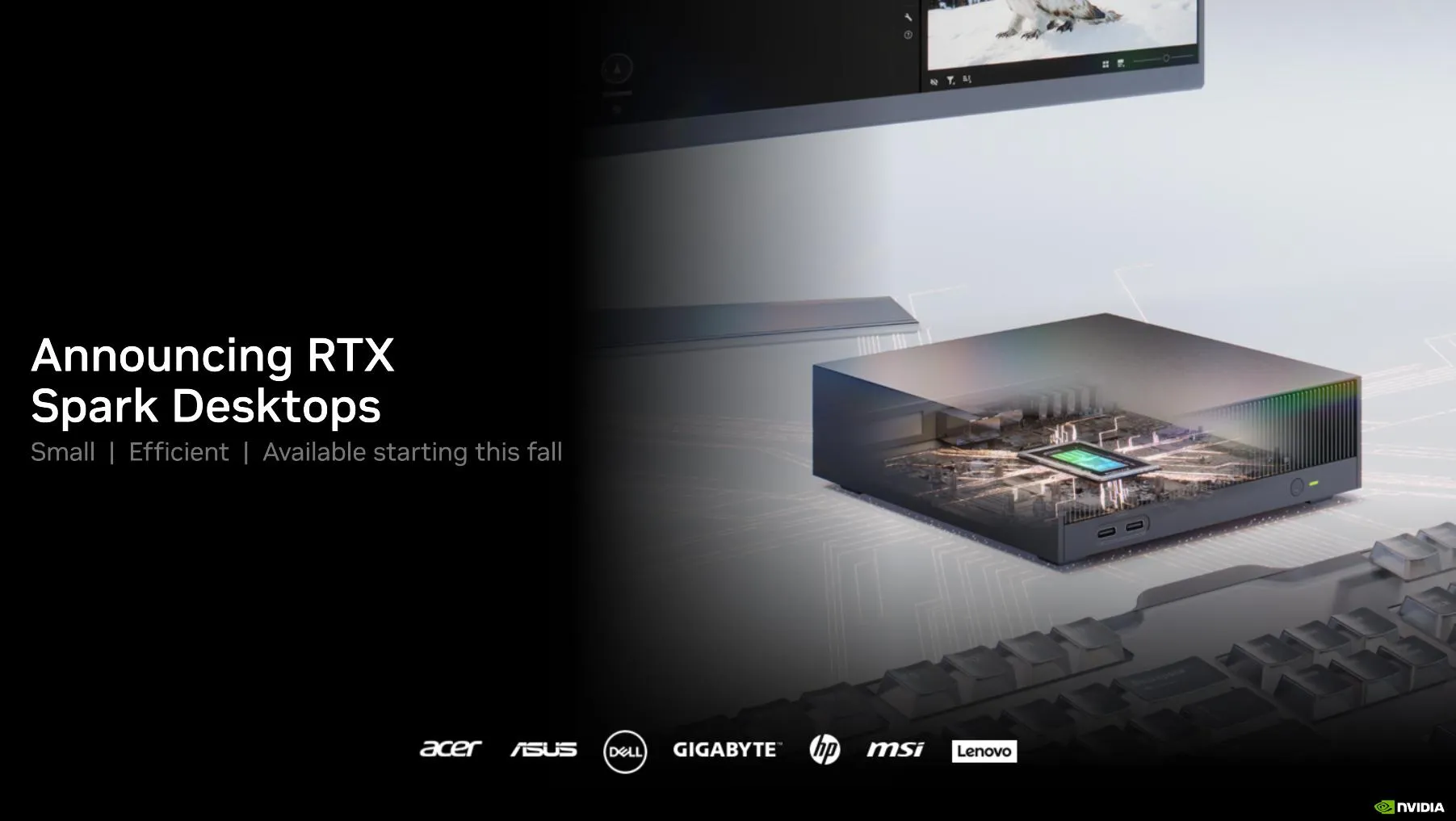
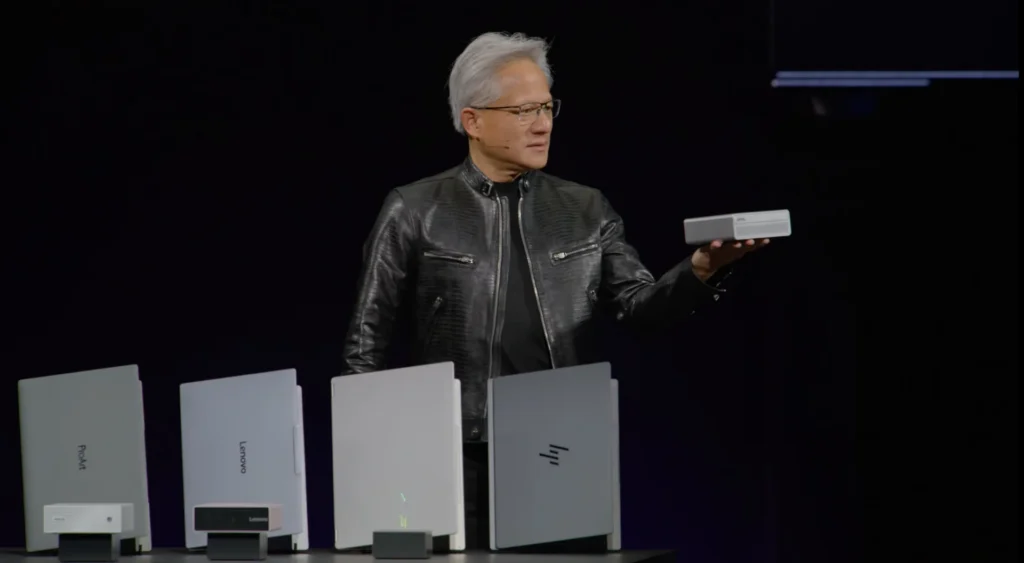
During the unveiling of Nvidia’s new RTX Spark platform at Computex 2026, CEO Jensen Huang outlined an ambitious vision for the future.
According to Huang, households could eventually operate dedicated AI systems that continuously manage personal assistants and autonomous agents.
The concept centers around Nvidia’s new RTX Spark architecture, which combines CPU, GPU and large unified memory pools into a single platform capable of handling complex AI workloads locally.
Under this model, AI agents could:
- Manage email inboxes
- Analyze financial documents
- Coordinate schedules
- Perform research tasks
- Run continuously without cloud dependence
Nvidia argues that keeping AI workloads local improves privacy while reducing recurring subscription costs.
Google Continues to Bet on Cloud-Based AI
Google is pursuing a very different strategy.
Its recently announced Gemini Spark operates primarily in the cloud, leveraging Google’s extensive infrastructure and integration with services such as Gmail, Google Drive and Google Workspace.
Rather than requiring expensive hardware, Gemini Spark allows users to access advanced AI capabilities through subscription plans.
The trade-off is that users must trust Google with access to significant amounts of personal data in exchange for convenience and scalability.
Google’s approach eliminates concerns about hardware maintenance, upgrades and local system limitations while ensuring AI capabilities improve as the company’s cloud infrastructure evolves.
Privacy Versus Convenience
The biggest difference between the two strategies may ultimately come down to data control.
Nvidia’s local-first approach is designed to keep sensitive information on hardware owned by the user. Tasks involving personal emails, financial records or confidential business information can theoretically remain entirely under local control.
Google’s cloud-first model prioritizes accessibility and ease of use but requires users to share data with external infrastructure.
For many consumers, convenience may outweigh privacy concerns. For businesses, developers and privacy-conscious users, local AI could become increasingly attractive.
Cost Structures Differ Dramatically
The economic models behind both approaches are also very different.
A powerful RTX Spark system may require thousands of dollars in upfront hardware investment.
By comparison, cloud AI services typically involve ongoing monthly subscription costs. Google’s AI offerings already reach premium tiers costing hundreds of dollars per month for advanced features and agentic capabilities.
The debate increasingly resembles the historical choice between purchasing software outright and subscribing to cloud services.
The Future May Include Both Models
Despite the apparent rivalry, the industry may ultimately converge on a hybrid approach.
Nvidia already allows demanding workloads to be offloaded to cloud infrastructure when necessary. Meanwhile, Google is steadily increasing the amount of AI processing performed directly on devices such as Pixel smartphones and future AI-focused hardware.
As AI models continue growing in complexity, many experts expect a future where routine tasks run locally while computationally intensive workloads shift seamlessly to cloud resources.
For now, however, the industry’s direction can be summarized as “Spark versus Spark”—with Nvidia promoting AI supercomputers in the home and Google championing AI assistants that live primarily in the cloud. The outcome may shape the next decade of personal computing.