
Windows Insiders Push Microsoft Toward a Cleaner, Quieter Windows
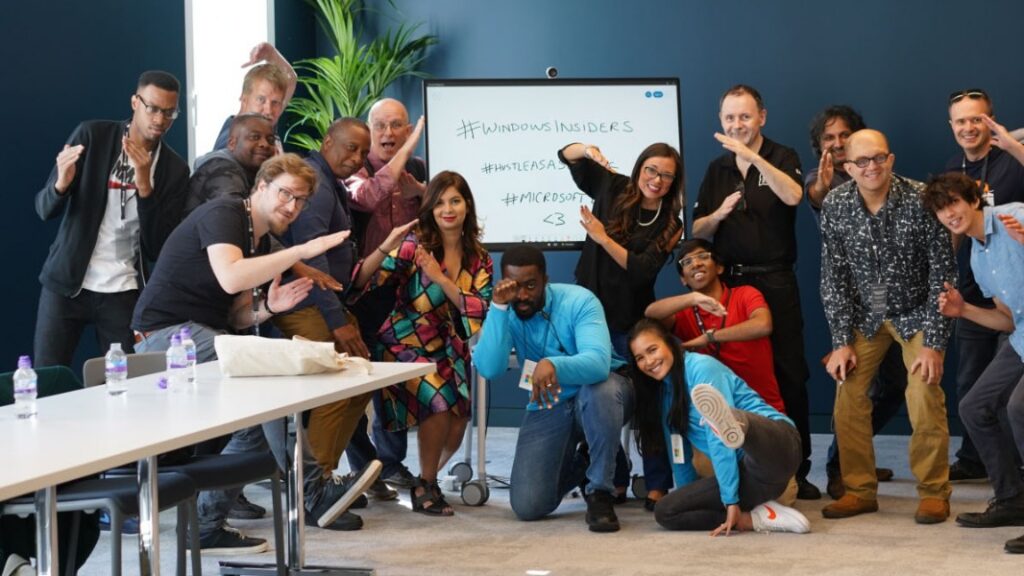
Microsoft’s latest Windows Insider meetup revealed something unusual in today’s tech industry: ordinary users directly influencing the future of Windows.
During the event, attendees applauded demonstrations of simpler, less intrusive Windows features, highlighting growing demand for an operating system that prioritizes usability over distractions.
Users Cheer Simpler Windows Features
One of the strongest reactions came when Microsoft demonstrated changes to the Widgets experience.
Attendees welcomed the fact that the Widgets panel would no longer automatically appear when users accidentally hover over its button.
Another popular announcement involved Windows Search. Users responded positively after seeing a version of search focused on finding local files without surfacing additional web results or unrelated content.
The enthusiastic response underscored a broader message: many users want a more focused and less cluttered Windows experience.
A Return to the Windows Insider Community Spirit
The event took place ahead of Microsoft’s annual developer conference, Microsoft Build 2026.
Unlike Build’s developer-focused sessions, the Insider gathering gave everyday users direct access to the people designing and building Windows.
Attendees were able to discuss features, ask questions and provide feedback directly to Microsoft engineers, designers and product leaders.
For many longtime Windows enthusiasts, the atmosphere resembled the early days of the Windows Insider Program during the Windows 10 era, when Microsoft maintained closer engagement with its user community.
Microsoft Embraces a ‘Less Noise’ Philosophy
According to Microsoft executives at the event, reducing distractions has become a key priority for the Windows team.
The company is increasingly focusing on:
- Cleaner user interfaces
- Fewer interruptions
- Higher-quality core features
- Reduced notification overload
- More streamlined workflows
Microsoft executive Marcus Ash described the goal as delivering “fewer things at higher quality” based on customer feedback.
The strategy reflects growing criticism of modern operating systems becoming overloaded with recommendations, advertisements and unnecessary prompts.
Windows 11’s Rocky Relationship With Users
The discussion also highlighted the contrasting reception between Windows 10 and Windows 11.
Many users felt that Windows 10 benefited from more open communication between Microsoft and the community.
When Windows 11 launched, however, numerous design decisions—including Start menu changes, taskbar limitations and increased promotional content—were introduced with little public discussion.
The result was criticism from portions of the Windows community, some of whom eventually explored alternative platforms such as Linux.
Users Ask Tough Questions
The meetup wasn’t limited to praise.
Attendees questioned Microsoft representatives on a variety of topics, including:
- Taskbar customization limitations
- Haptic touchpad features
- Future AI integration plans
- Windows accessibility improvements
- Agent-based AI safety
One recurring concern involved Microsoft’s push toward AI-powered experiences and how those ambitions can coexist with efforts to make Windows simpler and less distracting.
Balancing AI Ambitions With Simplicity
Microsoft continues investing heavily in AI through technologies such as Microsoft Copilot and future agent-based computing experiences.
At the same time, many users are asking for the opposite: fewer interruptions, fewer automated suggestions and greater control over their PCs.
The challenge for Microsoft is balancing those two goals.
The positive reaction at the Insider event suggests that users may be more willing to embrace new technologies if they arrive within a cleaner and more focused Windows experience.
A More Personal Windows Future?
Perhaps the most significant takeaway from the meetup was not a specific feature announcement, but Microsoft’s renewed willingness to engage directly with users.
In an industry increasingly dominated by prerecorded product launches and carefully controlled announcements, open conversations between engineers and users have become rare.
For Windows enthusiasts, the return of that dialogue may be just as important as any new feature arriving in the operating system itself.