

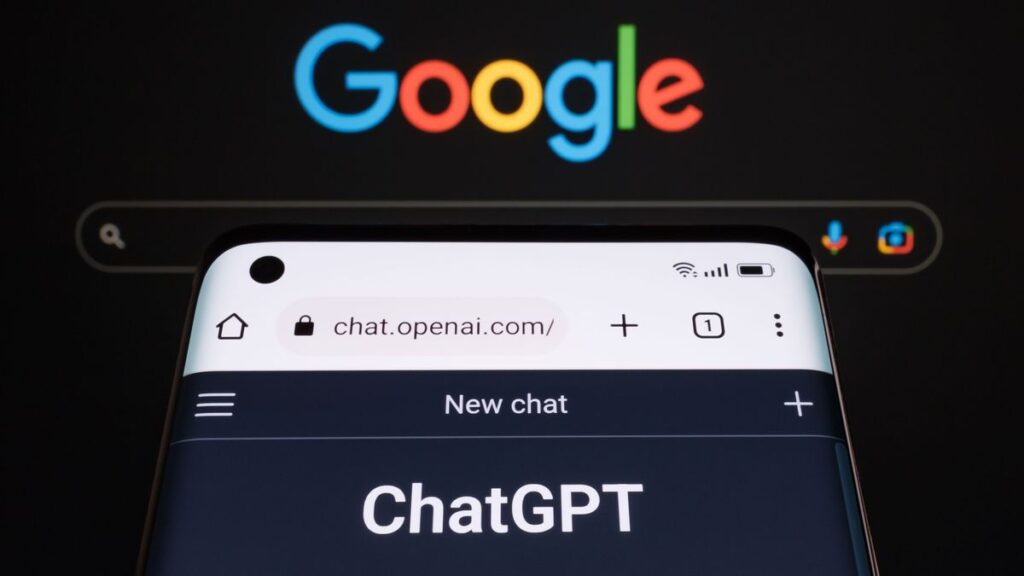
A recent privacy scare has cast new doubts on the safety of sharing personal information with AI tools like ChatGPT. Over the past few days, users discovered that a significant number of shared conversations with ChatGPT had become searchable via Google using the simple prefix “site:chat.openai.com/share.” This unexpected exposure served as a stark reminder that AI platforms may offer less privacy than even conventional search engines—and that seemingly private queries could become public if not handled carefully.
The core of the issue lies in ChatGPT’s built-in “share” feature, which allows users to create public links to specific conversations. While each shared chat clearly displays a warning that “anyone with the URL will be able to view your shared chat,” and users must opt-in to allow indexing by search engines, this added layer of visibility seems to have caught many off guard. Google was able to crawl and index these shared chats, exposing a searchable trove of semi-personal AI interactions. Though the indexed material represented a tiny fraction of overall user activity, the visible content included sensitive topics such as health, sexuality, drug use, and mental health struggles—sparking widespread concern.
OpenAI acted quickly to limit the damage. According to co-chief information security officer Dane Stuckey, the company has now disabled the ability for search engines to index shared chats and is actively working to remove any already indexed content from public search results. “Ultimately we think this feature introduced too many opportunities for folks to accidentally share things they didn’t intend to, so we’re removing the option,” Stuckey wrote on X. This decisive move reflects OpenAI’s recognition that even small lapses in user awareness can have major consequences when handling deeply personal content.
This incident is a cautionary tale for anyone using AI chatbots for sensitive inquiries. While large language models may feel conversational and private, they are still part of cloud-based systems that depend on user consent, platform design, and responsible data sharing practices. The episode underscores the importance of treating all online tools—especially AI assistants—with a higher degree of caution, particularly when sharing anything personal.