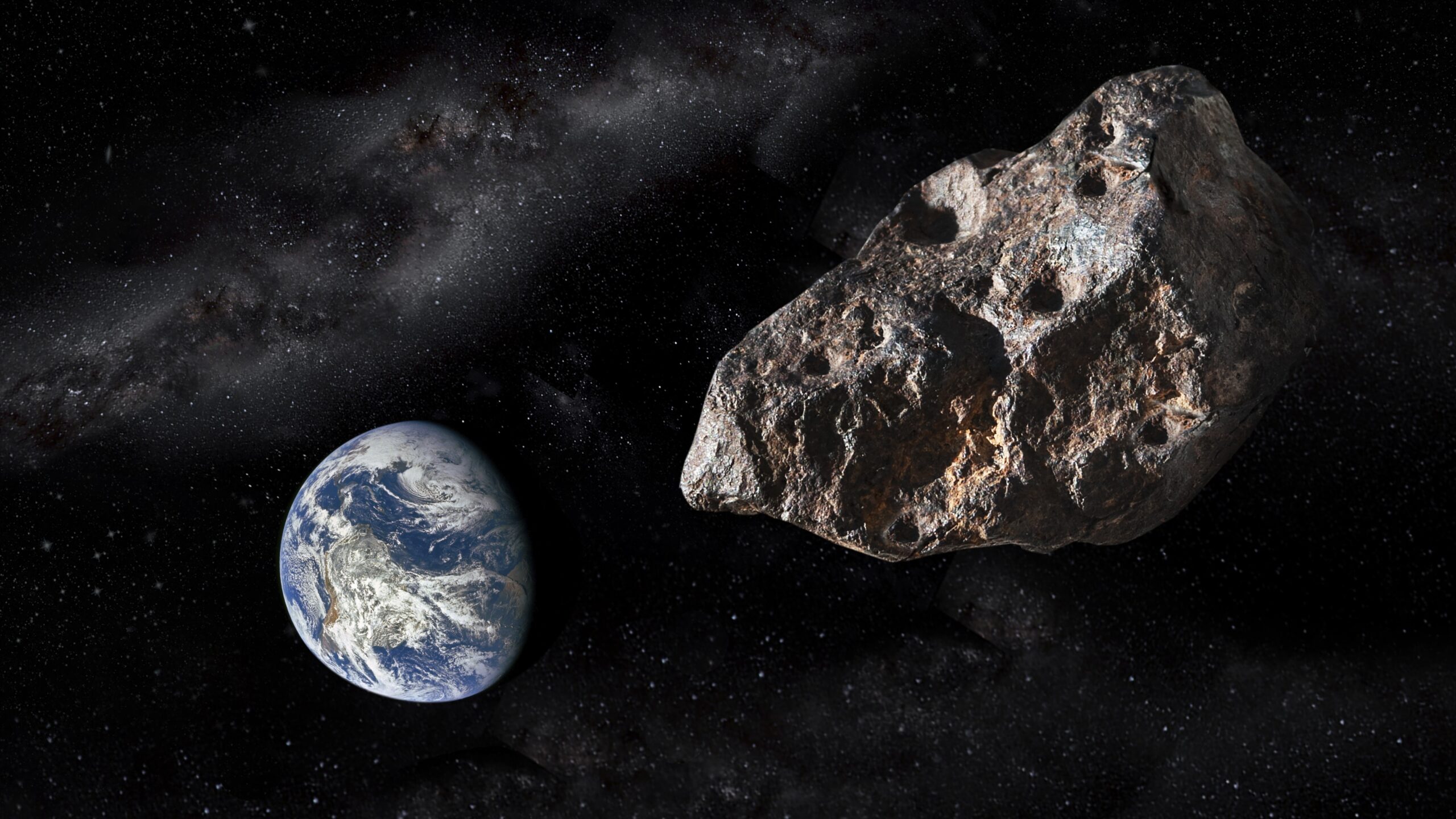
The Apollo-class asteroid 2024 YR4 is once again capturing the attention of astronomers. While earlier concerns about a potential Earth impact have now been ruled out, new orbital projections suggest a different hazard: a possible collision with the moon. Current calculations estimate roughly a 4 percent chance of impact, with the critical date falling in December 2032.
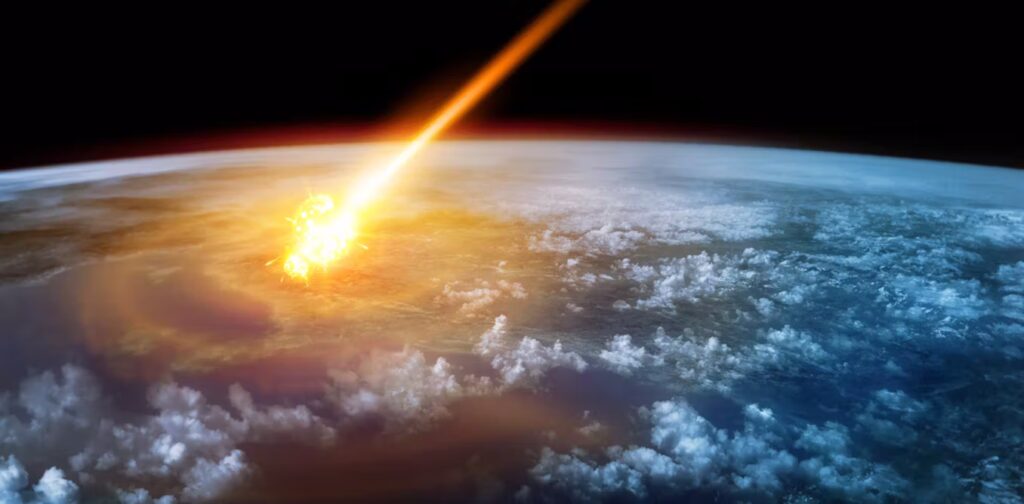
If such a collision were to occur, the event would be more than just a celestial spectacle. The impact of a 60-meter-wide asteroid could blast massive amounts of lunar rock into space, with fragments streaming into Earth’s orbit. While people on the ground might witness extraordinary meteor showers, the debris could threaten satellites, communication networks, and even the crew aboard the International Space Station. For that reason, NASA has already begun exploring potential defensive strategies.
Two primary approaches are on the table: deflection or outright destruction. Deflecting the asteroid would require precise knowledge of its mass, which may range anywhere from tens of thousands to several million tons. Such data could only be obtained via a dedicated reconnaissance mission—a mission that must be launched no later than 2028 to leave enough time for any countermeasures. The alternative is destruction, likely involving a nuclear payload. NASA’s models indicate that a one-megaton nuclear detonation would be sufficient to fragment 2024 YR4 into smaller, less dangerous pieces, regardless of its internal composition.
Yet nuclear solutions are far from risk-free. The infamous 1962 Starfish Prime test demonstrated how a high-altitude blast can severely disrupt electronics and satellites. The consequences of a detonation near the moon remain uncertain, raising serious concerns about collateral effects on Earth’s space infrastructure. Ultimately, whether action will be necessary cannot be determined until orbital calculations improve, with more precise forecasts expected around 2028. From that point forward, NASA will have just four years to decide on, develop, and deploy a planetary defense strategy before the asteroid makes its close approach.