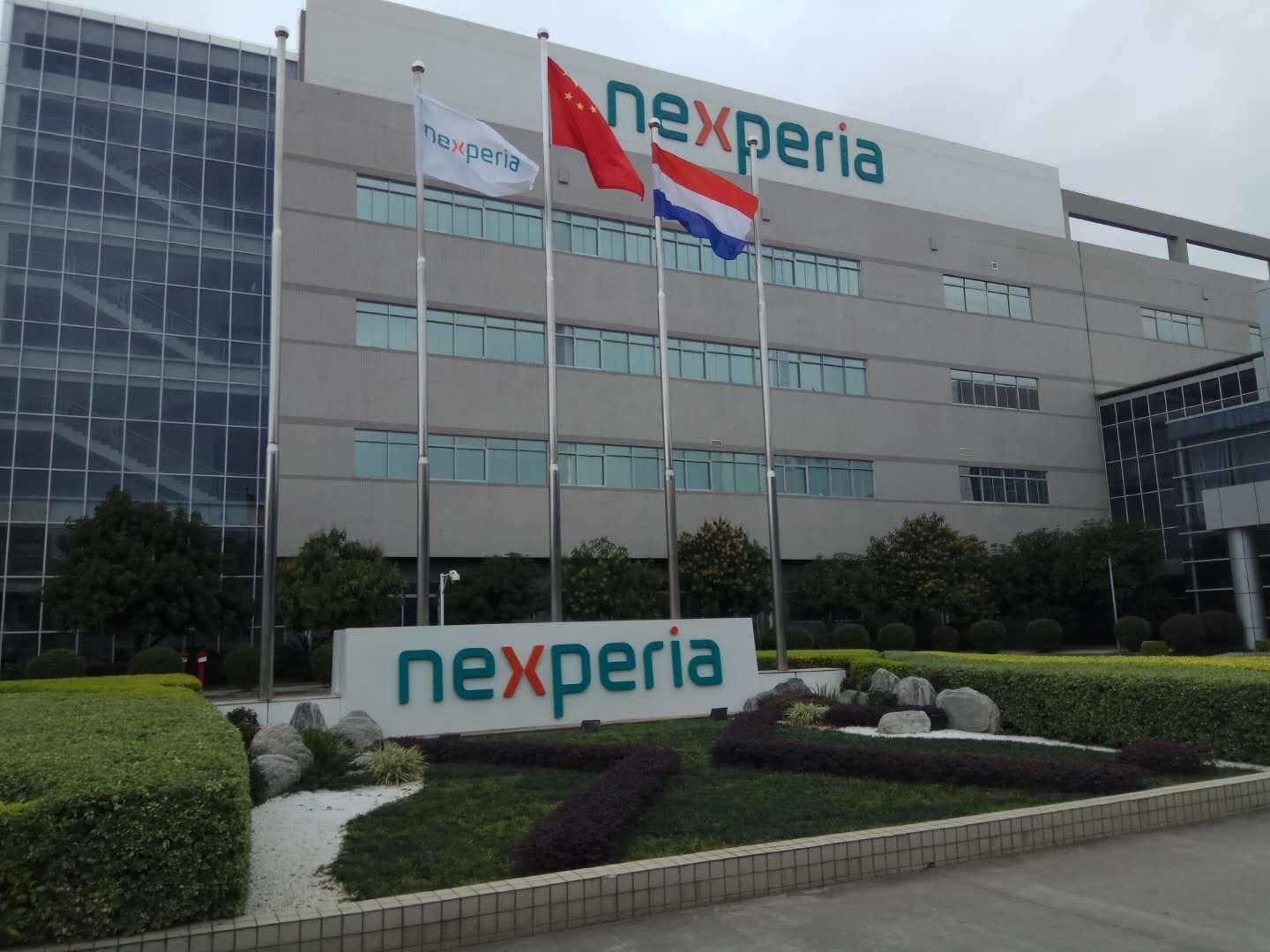
Nexperia’s Chinese subsidiary has resumed domestic semiconductor shipments after a weeks-long suspension, two sources told Reuters, marking a cautious reopening of operations amid a tense ownership dispute and export ban imposed by Beijing. The resumption, however, comes with strict new conditions — all transactions must now be settled in Chinese yuan, reflecting a move to operate more autonomously from its Dutch parent company.
Previously, Nexperia’s Chinese unit conducted sales in foreign currencies, primarily the U.S. dollar. By switching to yuan-only payments, the subsidiary is signaling a shift toward local financial independence as it tries to stabilize supply chains for domestic clients in the automotive and consumer electronics sectors.
The Dutch government seized control of Nexperia on September 30, ousting Chinese CEO Zhang Xuezheng over concerns about the potential transfer of sensitive technology to Wingtech Technology, Nexperia’s Chinese parent firm. The move came after mounting U.S. pressure, following Wingtech’s addition to a restricted export list. In retaliation, China’s commerce ministry banned chip exports from Nexperia’s China plants on October 4, prompting the temporary sales halt.
In response to resumed domestic sales, Nexperia’s Dutch parent warned customers that it could not guarantee the quality of chips sourced through its Chinese subsidiary. The Chinese unit, in a statement posted later on WeChat, said it was operating independently, denounced the parent company’s “groundless doubts,” and vowed to pursue legal action if necessary.
The geopolitical standoff has heightened fears of supply chain disruptions, particularly for automakers. The Japan Automobile Manufacturers Association confirmed that component suppliers had been warned about potential chip delivery issues, while Germany’s economy ministry and Dutch officials said they were in contact with industry leaders and Chinese authorities to find a resolution.
Despite reassurances from both sides, the situation remains volatile. Nexperia continues to seek new packaging partners outside China, but the dispute underscores the fragility of global semiconductor supply lines as Western nations tighten scrutiny of Chinese-linked chip firms.