
Nvidia has approached Taiwan Semiconductor Manufacturing (TSMC) to ramp up production of its H200 artificial intelligence chips as demand from Chinese technology companies surges, according to people familiar with the matter.
Chinese tech firms have placed orders for more than 2 million H200 chips for delivery in 2026, while Nvidia currently has about 700,000 units in inventory, two of the sources said. The exact additional volume Nvidia plans to order from TSMC remains unclear, but a third source said Nvidia has asked TSMC to begin production, with work expected to start in the second quarter of 2026.
The talks underscore the strain on global AI chip supplies as Nvidia balances strong demand from China against tight availability elsewhere. They also heighten regulatory risk, as Beijing has yet to formally approve imports of the H200, even though the administration of U.S. President Donald Trump recently allowed exports of the chip to China.
The discussions with TSMC and the scale of Chinese demand have not been reported previously. Pricing details were also disclosed by the sources: Nvidia has decided which H200 variants it will offer to Chinese customers and plans to price them at around $27,000 per chip. Nvidia said it continually manages its supply chain and that licensed H200 sales to authorised customers in China will not affect its ability to serve U.S. clients. TSMC declined to comment, and China’s Ministry of Industry and Information Technology did not respond to a request for comment.
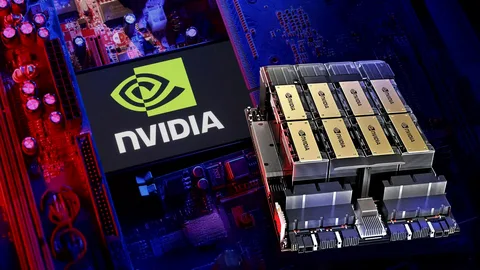
The potential order would mark a significant expansion of H200 production as Nvidia focuses on ramping up newer chip families, including Blackwell and the upcoming Rubin line. The H200 belongs to Nvidia’s Hopper architecture and is manufactured using TSMC’s 4-nanometre process. Nvidia plans to meet initial demand using existing stock, with the first batch expected to arrive before the Lunar New Year holiday in mid-February, Reuters previously reported.
Demand is being driven largely by major Chinese internet companies, which see the H200 as a substantial upgrade over chips currently available to them. Of Nvidia’s existing inventory, about 100,000 units are GH200 Grace Hopper superchips that combine Nvidia’s Grace CPU with its Hopper GPU, with the remainder being standalone H200 chips. Both versions are expected to be offered to Chinese buyers.
Pricing is expected to vary based on order size and customer arrangements. An eight-chip module is projected to cost around 1.5 million yuan, slightly above the price of the now-unavailable H20 module. However, sources said Chinese firms view the H200 as attractive given its roughly sixfold performance improvement over the H20 and a price that undercuts grey-market alternatives by about 15%.
Regulatory uncertainty remains. While Trump’s administration approved H200 exports to China earlier this month with a 25% fee, Chinese authorities are still weighing whether to allow imports, concerned that access to advanced foreign chips could slow the development of domestic AI semiconductors. For now, officials have not signaled immediate opposition, and domestic alternatives comparable to the H200 have yet to emerge.