Nvidia’s long-rumored push into Arm-based laptop processors appears close to becoming reality. A new report indicates that Nvidia-designed, MediaTek-fabricated chips could arrive in laptops from Dell and Lenovo sometime in the first half of the year.
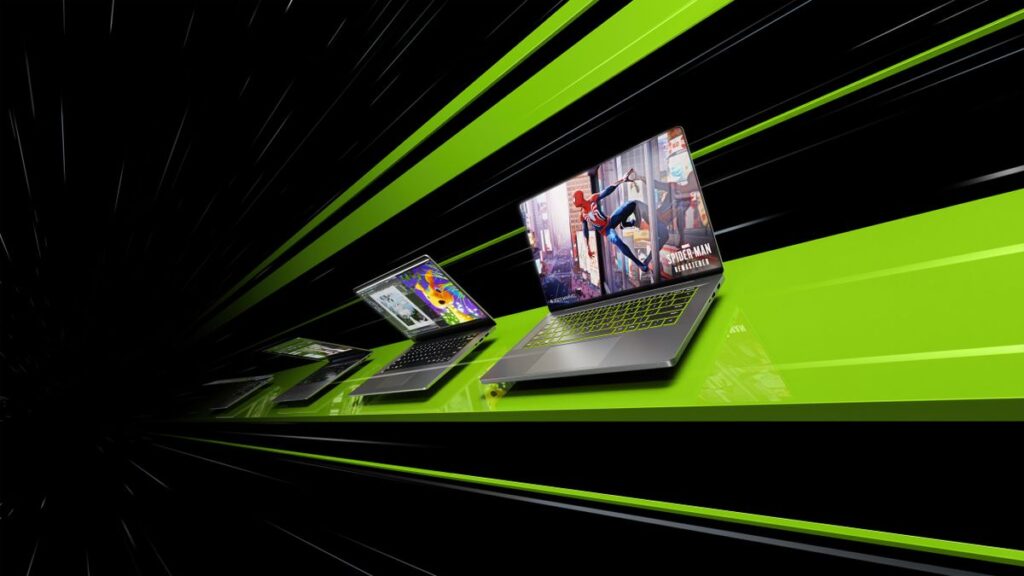
The report, citing industry sources, suggests the companies are preparing consumer devices powered by these new Arm CPUs. While details remain limited and the timeline isn’t officially confirmed, the move aligns with Nvidia’s broader expansion into Arm hardware. The company has already shown interest in this direction through its DGX Spark mini PCs and related projects, while earlier leaks hinted at Nvidia-powered variants of Lenovo’s Legion gaming laptops.
Partnering with MediaTek for fabrication also fits industry expectations. MediaTek has extensive experience building Arm-based silicon at scale, and a collaboration with Nvidia could combine efficient CPU design with stronger graphics capabilities—an area where existing Arm Windows laptops have struggled.
Gaming performance has historically been a weak point for Arm-based Windows machines. Systems powered by Qualcomm Snapdragon chips, for example, often face compatibility issues and limited graphics power. Nvidia’s involvement could change that dynamic, especially if gaming-focused brands like Lenovo Legion are among the first adopters. Microsoft has also been working to improve gaming support on Arm-based Windows devices, which may help these new systems gain traction.
Even so, market conditions could influence the launch timeline. Rising memory and storage costs continue to affect hardware manufacturers, and that may complicate large-scale laptop rollouts. If schedules hold, more concrete announcements could arrive around mid-year industry events such as Computex.
For now, the prospect of Nvidia-powered Arm laptops signals a potentially significant shift in the Windows PC landscape—one that could bring improved graphics and broader capabilities to a segment that has traditionally prioritized battery life over performance.