
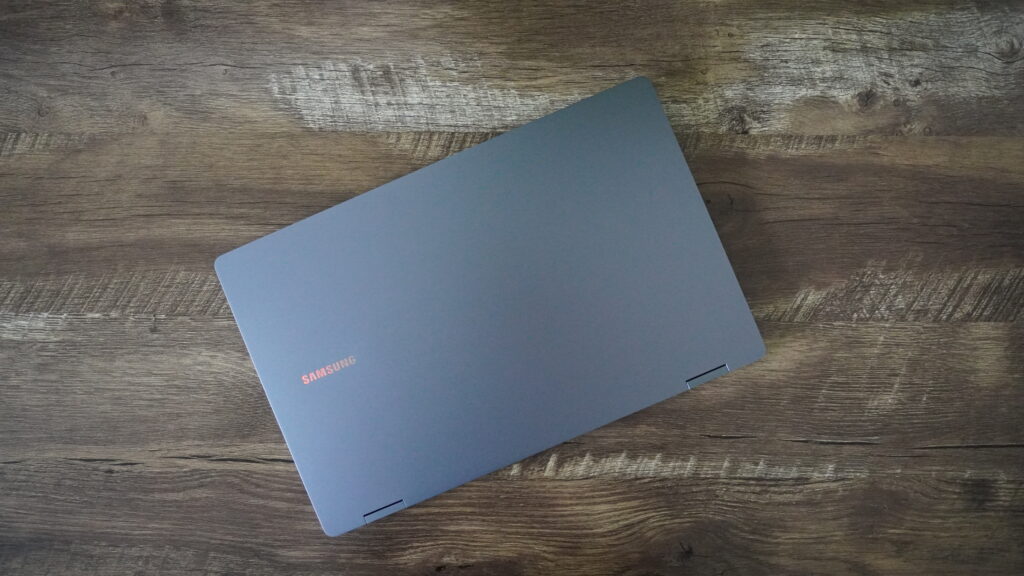
Samsung Electronics is reportedly exploring a major shift for its laptop lineup by moving future Samsung Galaxy Book devices away from Windows 11.
Android-powered laptops in development
According to reports, Samsung is testing Galaxy Book laptops that could instead run:
- Android 17
- Samsung’s One UI software layer
This would mark a significant departure from Samsung’s long-standing partnership with Microsoft’s Windows ecosystem.
Why Samsung might move away from Windows
While no official reason has been confirmed, one likely motivation is ecosystem consistency.
Most Samsung devices—including smartphones, tablets, TVs, and wearables—already run Android-based software. A laptop powered by Android and One UI could create a more unified experience across Samsung hardware.
Potential benefits could include:
- Seamless cross-device syncing
- Shared app environments
- More integrated Galaxy ecosystem features
Google’s larger OS ambitions
The timing also aligns with broader changes inside Google.
Reports suggest Google may soon unveil a ChromeOS successor known as Aluminium OS, expected to appear around the upcoming developer conference.
Rumors also point to a future Pixelbook device powered by the new platform.
Pressure on Windows laptops
If Samsung eventually ships Android-based Galaxy Books, it could represent another challenge for Microsoft’s PC dominance.
Competition has intensified as users increasingly compare Windows laptops to Apple’s tightly integrated ecosystem built around macOS and the MacBook lineup.
Still early—and unconfirmed
At this stage, Samsung has not officially announced any Galaxy Book running Android.
The project remains speculative, but it reflects a broader industry trend: companies exploring alternatives to traditional desktop operating systems.