
Google’s New “Magic Pointer” Brings AI Interaction Directly to the Mouse Cursor
Google is preparing a new AI-powered interface feature called “Magic Pointer,” designed to transform the traditional mouse cursor into an interactive control system powered by Google Gemini.
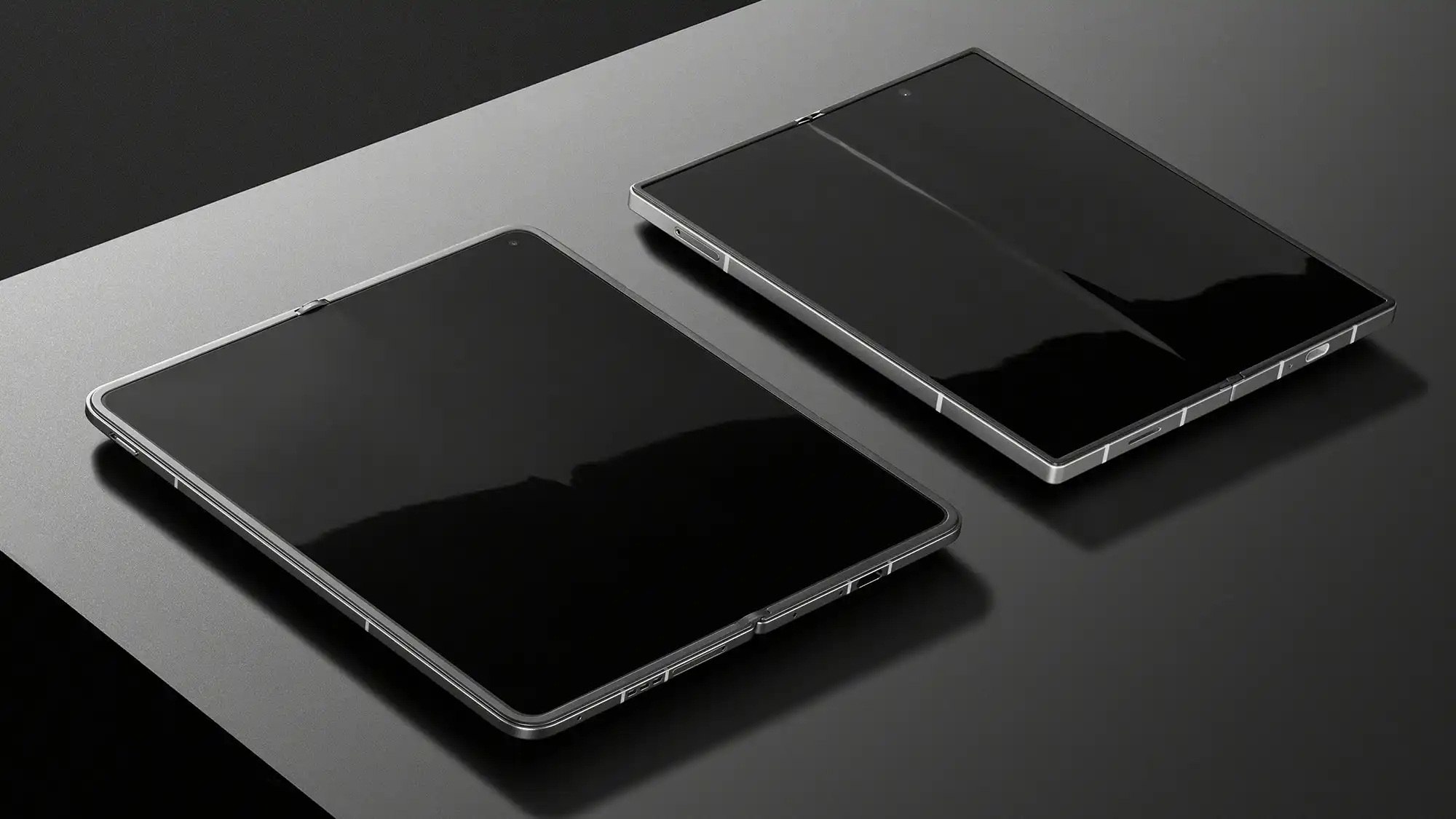
The feature is expected to debut alongside Google’s upcoming “Googlebooks,” a new Gemini-focused successor to Chromebooks planned for release later this year.
Magic Pointer Turns Cursor Gestures Into AI Commands
Developed through Google DeepMind, Magic Pointer allows users to point at objects or sections of the screen and issue natural language instructions tied directly to those visual elements.
Instead of manually selecting menus or typing detailed prompts, users can simply move the cursor toward an image, document section or map location and verbally describe the desired action.
Google says the system could support tasks such as editing images, rewriting text, identifying locations or automatically adding information into shopping lists and productivity tools.
The concept represents another attempt by major technology companies to merge generative AI with traditional desktop interfaces.
Early Demos Showcase Image Editing and Navigation Features
Although the full Googlebook platform has not yet launched, limited demonstrations of Magic Pointer are already available through experimental Gemini tools and Google AI Studio.
In one demonstration, users can point at objects inside an image and request visual edits using simple spoken commands. During testing, actions such as moving a cartoon crab, changing clothing items and replacing characters inside illustrations were handled directly through cursor-based prompts.
Another demo uses Magic Pointer with maps and image recognition, allowing users to point at photographs and ask Gemini to identify locations or generate navigation directions.
The feature relies heavily on Gemini’s visual understanding capabilities combined with contextual cursor tracking.
Technology Still Appears Experimental
Despite the ambitious concept, early demonstrations suggest the technology remains inconsistent in some situations.
Complex tasks involving multiple highlighted regions or precise navigation requests occasionally produced inaccurate interpretations during testing. Some interactions reportedly required several attempts before Gemini correctly understood the intended targets.
The slower response times and occasional recognition errors also raise questions about whether Magic Pointer currently offers meaningful speed advantages over traditional keyboard-and-mouse interaction.
Google Continues Expanding AI-First Computing Interfaces
Google’s broader vision for Googlebooks appears centered around deeply integrating Gemini across the operating system experience rather than treating AI as a standalone assistant.
The company says future versions of Magic Pointer could allow users to point at sections inside documents and request rewrites, interact with restaurant listings to make reservations or perform contextual actions throughout applications without manually navigating menus.
The project reflects a growing industry trend toward AI-driven interface redesigns, where conversational commands increasingly replace traditional clicks, menus and file navigation systems.
Whether Magic Pointer ultimately becomes a major productivity breakthrough or remains a niche experimental feature will likely depend on how reliably the system performs in everyday computing tasks once publicly released.