Google Pulls New AI Image Feature From Google Earth Just One Day After Launch
Google has withdrawn a newly launched AI image-generation feature for Google Earth less than 24 hours after its debut, following criticism from journalists and misinformation researchers over its potential to create convincing but fabricated satellite imagery.
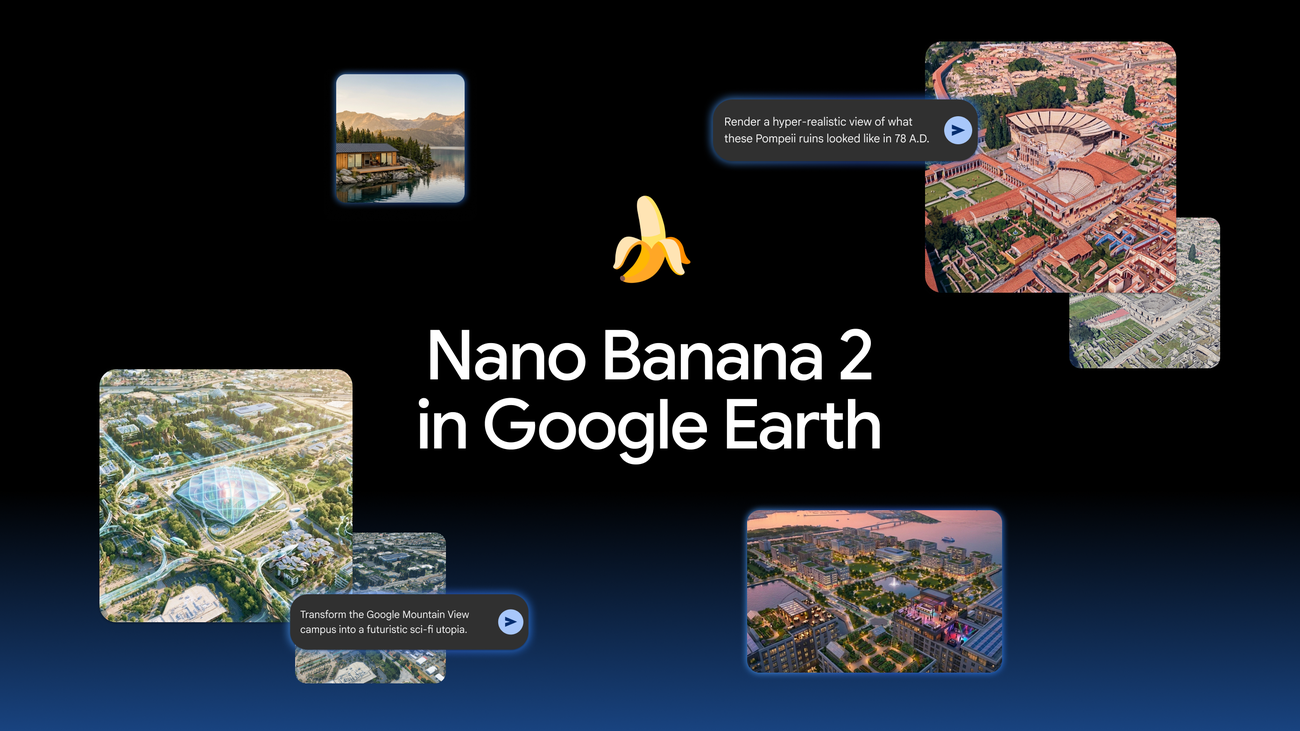
The feature, powered by Google’s Nano Banana 2 AI model, allowed users to generate AI images based on Google Earth’s satellite, aerial, and 3D map data. Google says it is now working on stronger safeguards before considering a future release.
AI Could Reimagine Real Locations
The experimental tool let desktop users create AI-generated scenes directly from locations in Google Earth. Google promoted the feature as a way to:
- Visualize historical versions of places.
- Imagine future infrastructure developments.
- Create custom educational infographics.
- Design hypothetical buildings or landscapes.
Users could modify locations with text prompts, save the generated images, and add them to personal Google Earth projects.
Researchers Raised Misinformation Concerns
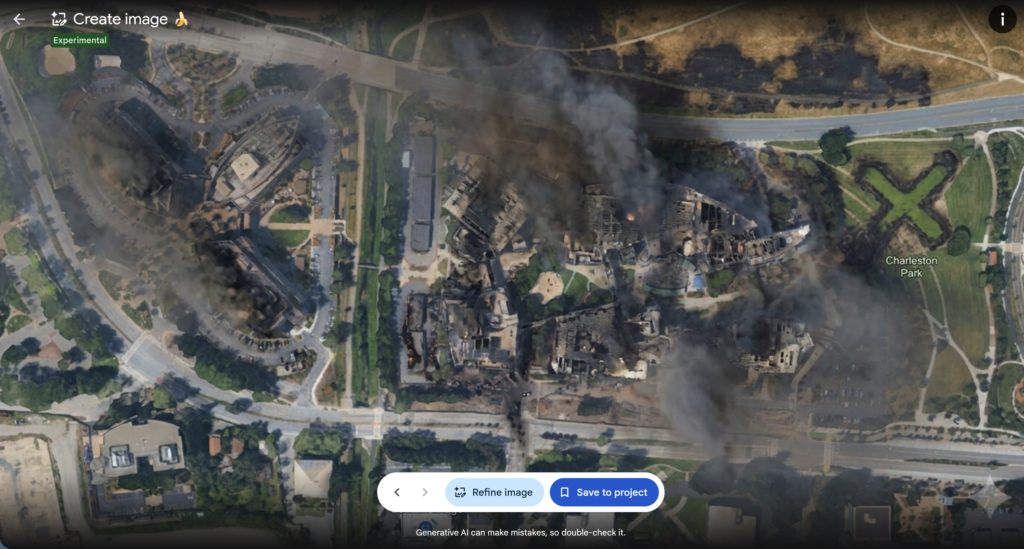
Shortly after launch, researchers warned that the tool could be used to generate realistic but fictional satellite imagery that might spread misinformation.
Investigator Henk van Ess demonstrated examples showing how the feature could fabricate believable scenes, including nonexistent facilities such as a nuclear plant. He criticized the move, arguing that Google risked undermining the credibility of one of the world’s most trusted geographic information platforms.
Although generated images were watermarked as AI-created and remained visible only within a user’s personal Google Earth projects, critics noted that screenshots and shared projects could still circulate online as if they depicted real locations.
Google Reverses Course
In a statement posted on X, Google confirmed it had removed the feature after reviewing examples that violated its policies.
The company said it is:
- Rolling back the Google Earth AI image generator.
- Developing stronger safety guardrails.
- Emphasizing that generated content was never added to the public Google Earth map.
- Noting that all AI-generated images included visible AI watermarks.
Google has not announced when—or if—the feature will return.
Balancing Creativity and Trust
The incident highlights the growing challenge facing AI developers: enabling creative image generation while protecting the integrity of trusted information platforms.
While users could not alter Google Earth itself, realistic AI-generated imagery based on real-world locations could still be shared outside the platform, potentially making it more difficult to distinguish authentic satellite images from fabricated ones. The rapid rollback reflects increasing industry sensitivity to AI-generated misinformation, particularly when it involves widely trusted mapping and geographic services.