

Microsoft’s adaptive energy saver could squeeze more life out of your laptop
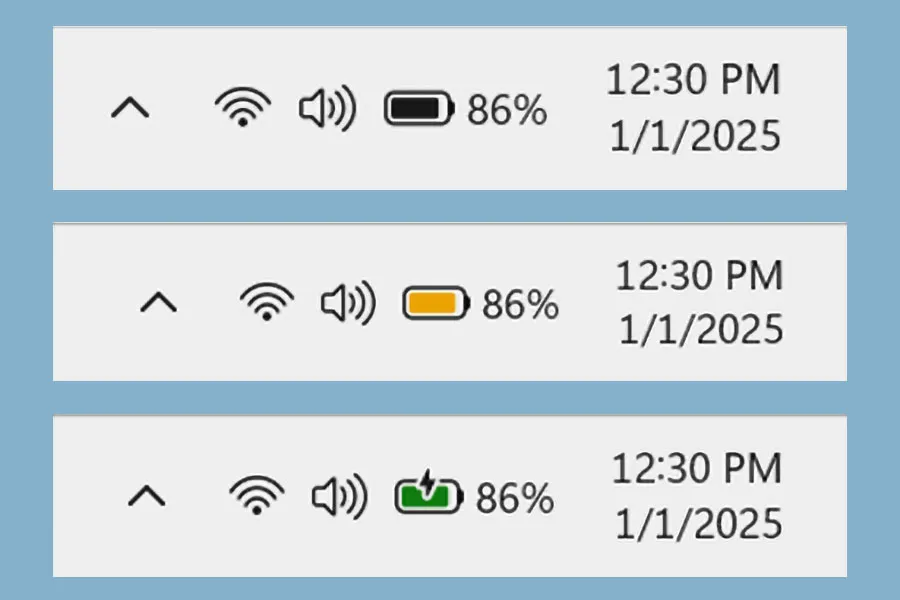
Running low on battery while away from a power outlet can be stressful—but Microsoft might be giving you one more tool to stretch your laptop’s runtime. A new feature called adaptive energy saver is currently being tested in the Windows 11 Canary Channel, as part of Microsoft’s ongoing energy efficiency improvements. It builds on recent self-healing PC technology introduced in the Release Preview Channel.
Rather than waiting until your battery is near empty to dim the screen and cut off background tasks, the adaptive energy saver aims to be more proactive. It can trigger subtle power-saving features when your system is idle or performing light tasks, extending battery life without compromising the experience. According to AndroidInfoTech, the feature can pause non-essential updates, stop some background apps, and even disable visual effects like transparency—but it won’t dim your screen, so your workflow isn’t disrupted.
The adaptive energy saver is off by default and must be enabled manually. That makes sense, given that some features it disables—like OneDrive background syncing—might be considered essential for cloud data availability. Microsoft seems to be offering this as a more aggressive power-saving option, ideal for users who want to push their battery even further during light use.
With modern CPUs like Intel’s Lunar Lake or Qualcomm’s Snapdragon X Elite already delivering impressive battery life, adaptive energy saver might seem redundant. But in edge cases or emergency situations, even an extra 30 minutes of juice can make all the difference.