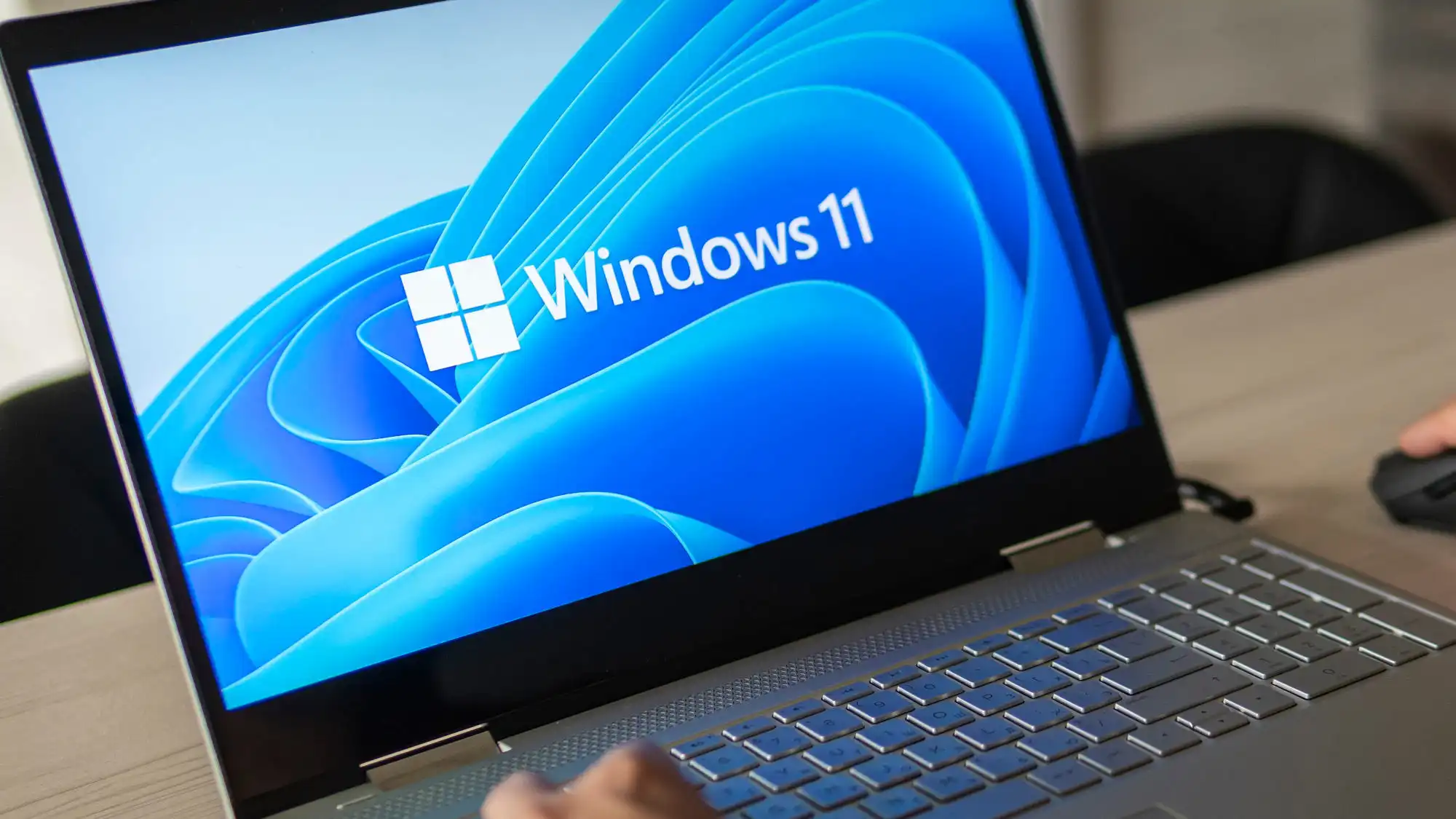


At the end of July 2025, Microsoft celebrated a significant milestone: for the first time in Windows history, Windows 11 overtook Windows 10 in global market share. According to Statcounter, Windows 11 reached 53.51 percent, leaving Windows 10 trailing at 42.88 percent—a substantial lead that suggested Microsoft was well on its way to making Windows 11 the dominant desktop operating system worldwide. Analysts saw this as a strong indicator that Windows 11 adoption was accelerating, driven by both new PC sales and upgrades from existing Windows 10 systems.
However, August 2025 told a slightly different story. While Windows 11 remains ahead of Windows 10 overall, the gap has narrowed noticeably. The latest Statcounter data shows Windows 11’s global market share dipping to 49.08 percent, while Windows 10 rose to 45.53 percent. This represents a drop of roughly 4.4 points for Windows 11 compared to its July high, signaling that adoption momentum may be slowing and that Windows 10 users remain reluctant to upgrade. Experts suggest that a combination of factors—including user familiarity, corporate IT inertia, and hardware compatibility—continues to make Windows 10 an attractive option despite the end-of-support countdown.
Microsoft’s Extended Security Updates (ESU) program may also be playing a role in Windows 10’s resilience. The ESU program allows businesses and individuals to continue receiving security updates even after the official October 2025 end-of-support deadline. Additionally, there are unofficial tools that allow savvy users to maintain a secure Windows 10 installation well into the next decade, up to 2032. These options reduce the urgency for some users to upgrade to Windows 11 immediately, explaining why the older OS is holding on to a sizable portion of the market.
Overall, the August slowdown demonstrates that Windows 11’s journey to dominance is not without obstacles. While Microsoft can celebrate surpassing Windows 10 for the first time, it will need continued push through feature improvements, marketing, and enterprise adoption programs to maintain growth. Meanwhile, Windows 10’s persistent popularity shows that many users are willing to stick with the familiar OS, whether for workflow consistency, compatibility with legacy applications, or simple comfort with the interface.