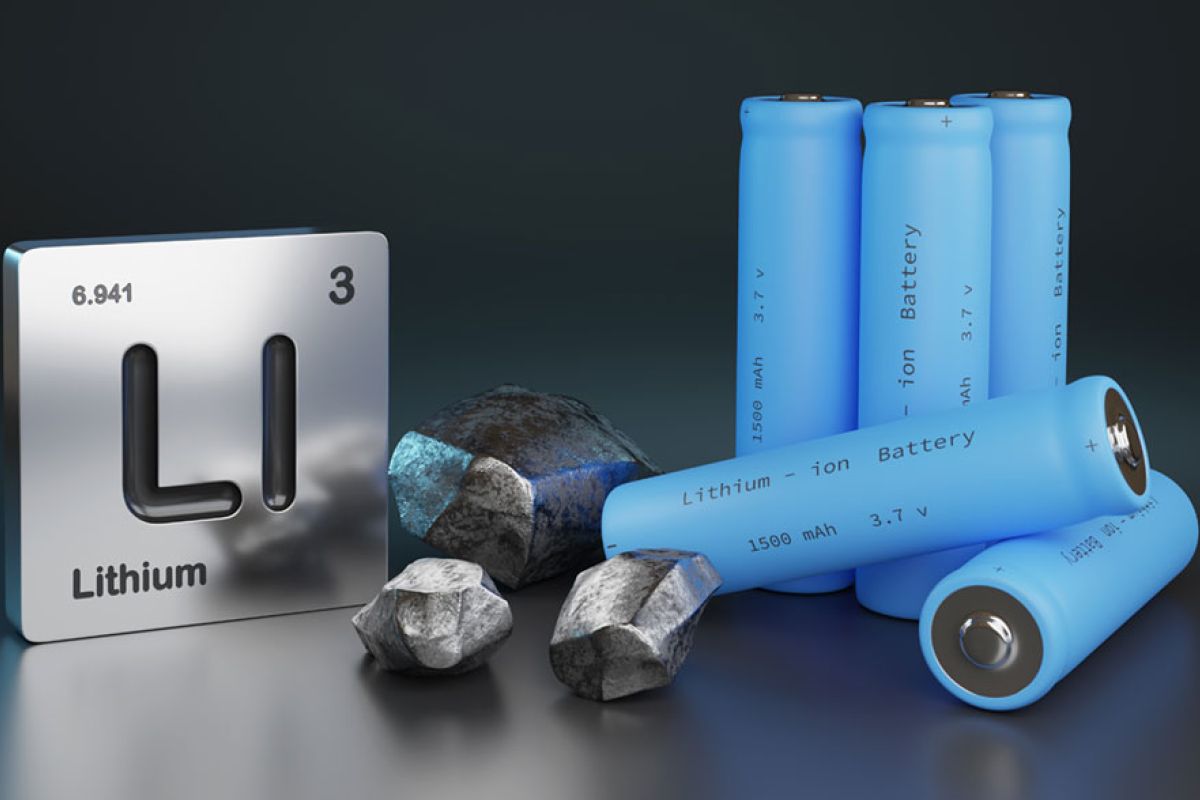
Scientists at the University of Maryland have unveiled a new technique that could significantly extend the lifespan of lithium-ion batteries without changing their internal structure or existing manufacturing processes. The approach focuses on modifying the liquid electrolyte inside the battery rather than altering the electrodes themselves, offering a potentially low-cost path to longer-lasting energy storage.
Lithium-ion batteries gradually lose capacity as they age because chemical byproducts form on their electrodes during repeated charging and discharging. On the anode, this process creates a stable protective layer that slows further degradation. The cathode, however, operates in highly oxidizing conditions and does not naturally develop a similar shield, leaving it vulnerable to ongoing wear.
Led by materials scientist Chunsheng Wang, the research team adjusted the electrolyte’s chemical behavior to control how it breaks down over time. Instead of degrading randomly, the electrolyte forms a uniform and stable protective layer on the cathode. This layer slows further chemical reactions that normally contribute to battery aging.
One of the key advantages of the method is compatibility with existing battery production. The researchers say it relies on materials and processes already used in the industry, meaning it could be adopted without the need for costly retooling. The thickness of the protective layer can also be tuned, allowing manufacturers to balance performance and durability. Thicker layers improve longevity but reduce power output, while thinner layers maintain higher energy density at the cost of faster wear.
The technology is still in early testing, and long-term performance data is not yet available. However, experts in energy storage view the controlled protection of the cathode as a promising step toward batteries that retain their capacity for longer periods.
If the approach proves viable at scale, it could lead to smartphones, laptops, electric vehicles, and grid storage systems that last longer without requiring entirely new battery designs.