Taiwan aims to build a “democratic” high-tech supply chain together with the United States and deepen cooperation in artificial intelligence under a new tariffs agreement concluded with Washington last week, according to Taipei’s chief negotiator in the talks.
The deal comes as U.S. President Donald Trump presses Taiwan, a global semiconductor powerhouse with a large trade surplus with the United States, to increase investment in American manufacturing, particularly advanced chips used in AI systems.
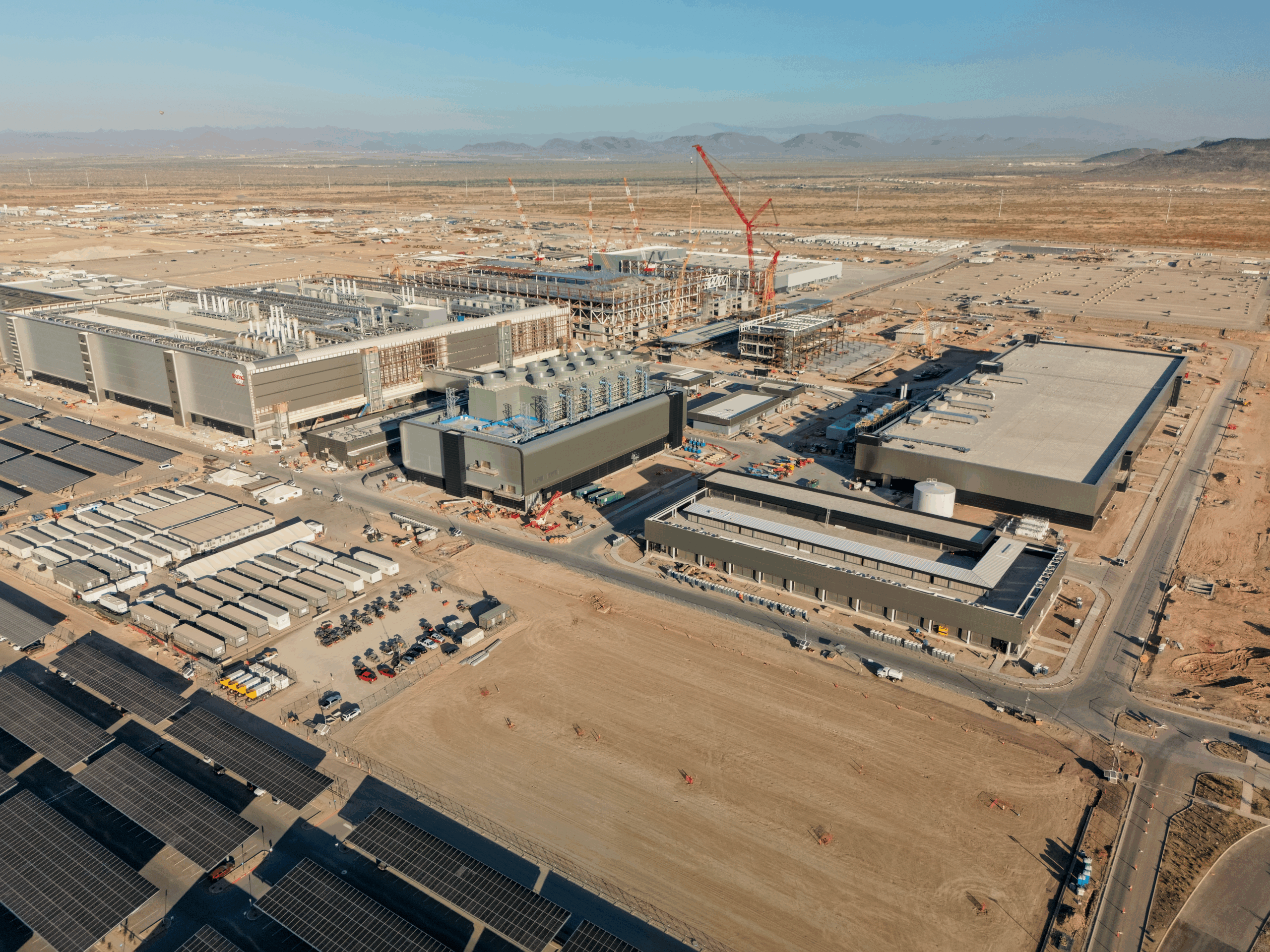
Under the agreement, Taiwanese chipmakers such as TSMC that expand production in the U.S. will benefit from lower tariffs on semiconductors and related equipment imported into the country, with some items allowed in duty-free. At the same time, broad tariffs applied to most other Taiwanese exports to the U.S. will be reduced to 15% from 20%.
Taiwanese companies have also committed to investing $250 billion to boost U.S. production in semiconductors, energy, and artificial intelligence. In addition, Taiwan will guarantee another $250 billion in credit to support further investment.
Speaking in Taipei, Vice Premier Cheng Li-chiun said the agreement does not amount to hollowing out Taiwan’s chip industry, which plays such a vital role in the economy that it is often described as the country’s “sacred mountain.”
“This is not supply-chain relocation,” Cheng said, adding that the deal is designed to help Taiwan’s high-tech industries extend their strengths overseas while maintaining a strong domestic base.
Under the pact, chipmakers expanding in the U.S. will be allowed to import up to 2.5 times their new capacity in semiconductors and wafers without additional tariffs during approved construction periods. Cheng also said Taiwan has secured preferential treatment under any future U.S. Section 232 measures on semiconductors, regardless of how high potential tariffs may be set.
The United States remains Taiwan’s most important international supporter, despite the absence of formal diplomatic ties, as geopolitical tensions with China continue to shape global technology supply chains.