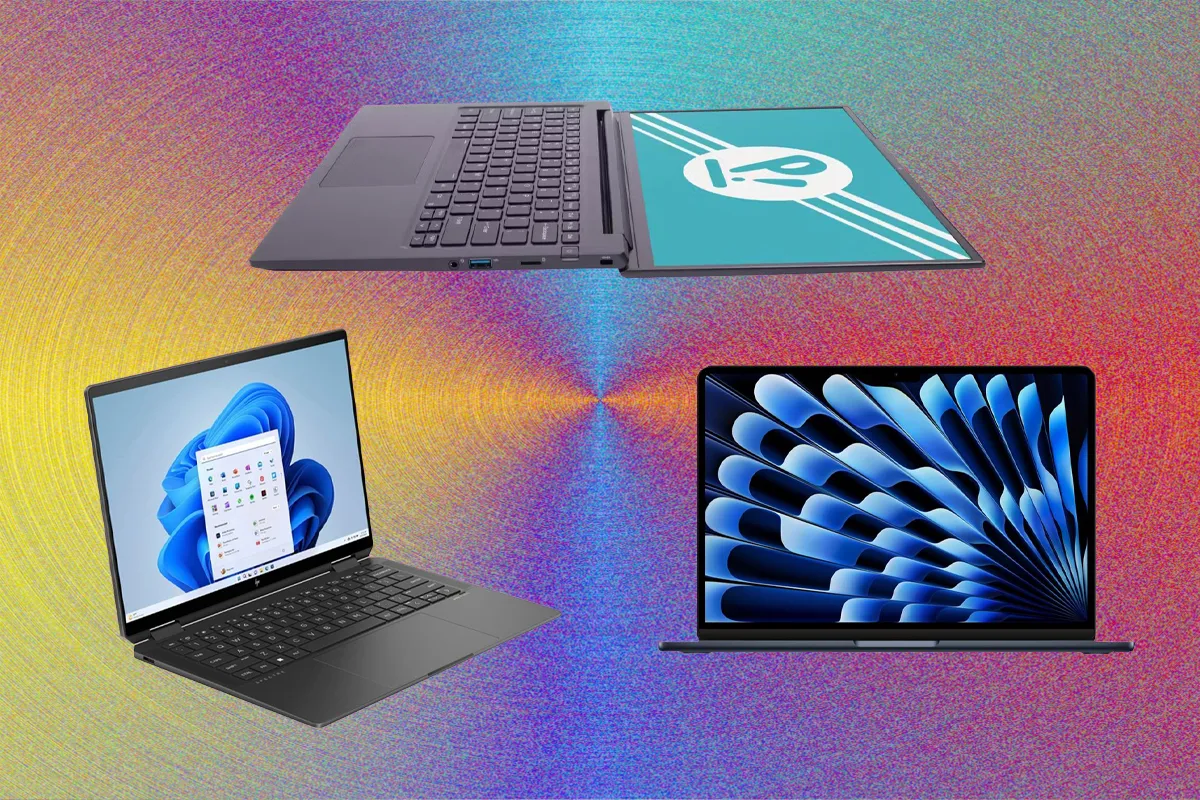
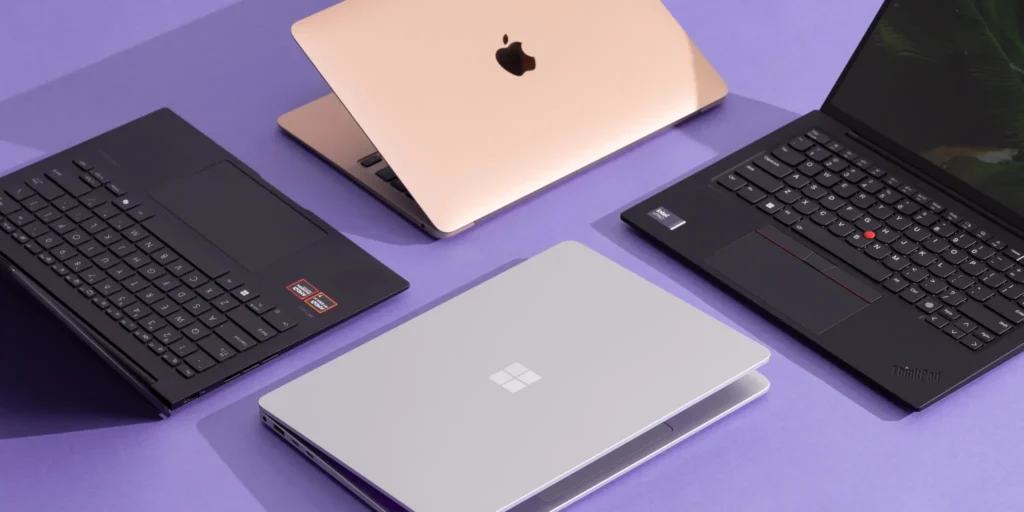
Laptop prices could rise sharply in 2026, with increases of up to 40%, according to projections from TrendForce.
Memory costs driving the surge
The biggest factor behind the expected price hikes is the rising cost of RAM and storage. Memory components could grow from about 15% of a laptop’s cost to over 30%, significantly impacting final prices.
Manufacturers facing these higher costs may pass them directly to consumers to maintain profit margins.
CPUs adding to the pressure
At the same time, processors are also becoming more expensive. Intel has already increased prices on some entry-level chips by over 15%, with potential for further hikes.
Since CPUs are already a major cost component, this compounds the overall price increase.
AI demand reshaping supply
A major driver behind these changes is the rapid expansion of AI infrastructure. Companies are prioritizing high-performance chips for data centers, reducing supply for consumer devices.
This shift is tightening availability across the entire hardware ecosystem.
What it means for buyers
Combined, memory and CPU costs could soon account for nearly 60% of a laptop’s total price, making affordable laptops harder to find.
For consumers, this likely means:
- Higher prices for new laptops
- Fewer budget-friendly options
- Longer upgrade cycles
As supply constraints continue, the era of cheap laptops may be coming to an end—at least for the near future.