
The Surprising Sales Disparity Between 8GB and 16GB RTX 5060 Ti GPUs Reveals Gamer Preferences
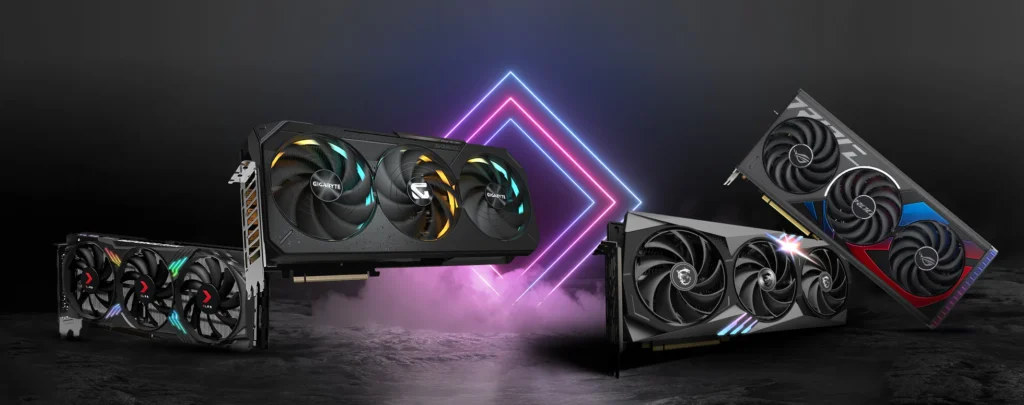
GPU prices have been climbing relentlessly, pushing gamers to reconsider what specs truly matter. A particularly striking trend has emerged around Nvidia’s RTX 5060 Ti graphics card, which launched in April with two memory configurations: an 8GB version priced at $379 and a 16GB version at $429. While the $50 price gap might seem modest, recent sales data from German retailer Mindfactory.de reveals an astonishing preference among buyers—16GB variants are outselling 8GB models by more than 16-to-1.
To put numbers on it, Mindfactory reported sales of 1,675 units for 16GB RTX 5060 Ti cards compared to just 105 units for the 8GB version. This massive disparity isn’t due to limited stock of the smaller memory card; rather, it reflects a clear and decisive preference from consumers. Gamers clearly see the value in extra VRAM, especially as modern game textures, resolutions, and graphical effects demand more video memory than ever before. Many enthusiasts and reviewers had already expressed skepticism toward 8GB as “mid-range” VRAM in 2025, and this sales data underscores that sentiment in the marketplace.
Interestingly, Nvidia did not offer advance reviews for the 8GB variant, hinting that even the company was less confident about the smaller memory configuration’s appeal. The popularity of the 16GB card at a slightly higher MSRP suggests that buyers are willing to pay a premium for longevity and better future-proofing, especially given that VRAM limitations can bottleneck gaming performance at higher resolutions or with demanding titles.
It’s worth noting that this data represents just one retailer in Germany, so it’s a snapshot rather than a definitive global trend. However, such clear consumer preference offers a rare and valuable window into gamer priorities that broad market analyses often obscure.
Looking beyond Nvidia, the dynamics in the more budget-conscious segment differ somewhat. For example, Intel’s Arc B570 offers 10GB of GDDR6 memory at $220, surpassing Nvidia’s $250 RTX 5050 which comes with only 8GB. At these lower price points, 8GB VRAM is generally more acceptable to buyers due to the trade-offs inherent in budget hardware.
Past GPU releases have also demonstrated that Nvidia isn’t shy about adjusting its product line based on market feedback; the RTX 4080’s canceled 12GB variant after negative reception is one such example. Still, it will be telling to see how the RTX 5060 Ti 8GB performs outside retail, such as in system integrator builds, where different cost-performance considerations may apply.
Meanwhile, AMD’s Radeon RX 9060 XT also offers 8GB and 16GB variants at a slightly lower price tier ($300 and $350, respectively), directly competing with Nvidia’s offerings. Whether AMD’s cards see similar sales splits could reveal broader market preferences or brand loyalties.
Ultimately, while gamers are voting with their wallets in favor of higher VRAM configurations in the $400+ GPU segment, the full story will emerge as more data from different markets and usage cases comes to light.