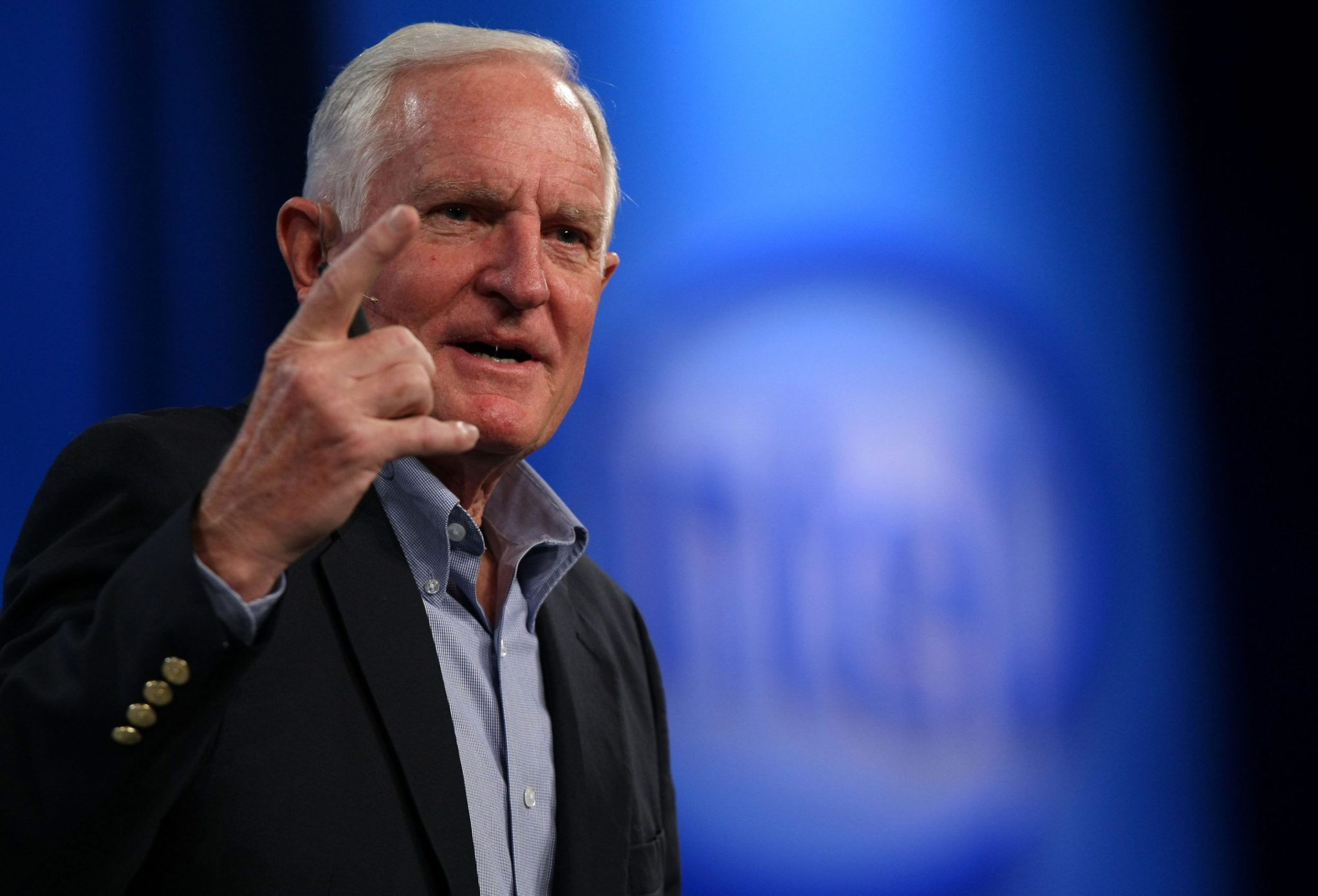
Former Intel CEO Craig Barrett believes the struggling chipmaker can still be saved — but not through the drastic breakup that some former board members have suggested. Instead, Barrett is calling for a bold, collaborative investment plan in which Intel’s largest customers pool $40 billion into the company to secure a stable, U.S.-based supply of advanced semiconductors.
Barrett, who led Intel from 1998 to 2005, argues that such an investment would address both economic and national security concerns. In his view, relying solely on overseas manufacturing from Samsung and TSMC poses unacceptable risks. “Neither Samsung nor TSMC plan to bring their state-of-the-art manufacturing to the U.S. in the near term,” Barrett wrote in Fortune. He believes that U.S. technology giants — including Nvidia, Apple, and Google — should recognize the strategic value of having Intel as a domestic “second source” for advanced chips.
Under Barrett’s plan, these customers would receive equity stakes and guaranteed chip supply in exchange for their investment. The arrangement, he suggests, would also give American companies more leverage when negotiating with Taiwan-based TSMC. Barrett further proposes that the U.S. government could reinforce this effort by imposing significant tariffs — potentially 50% — on imports of state-of-the-art chips, mirroring past protections for domestic steel and aluminum industries.
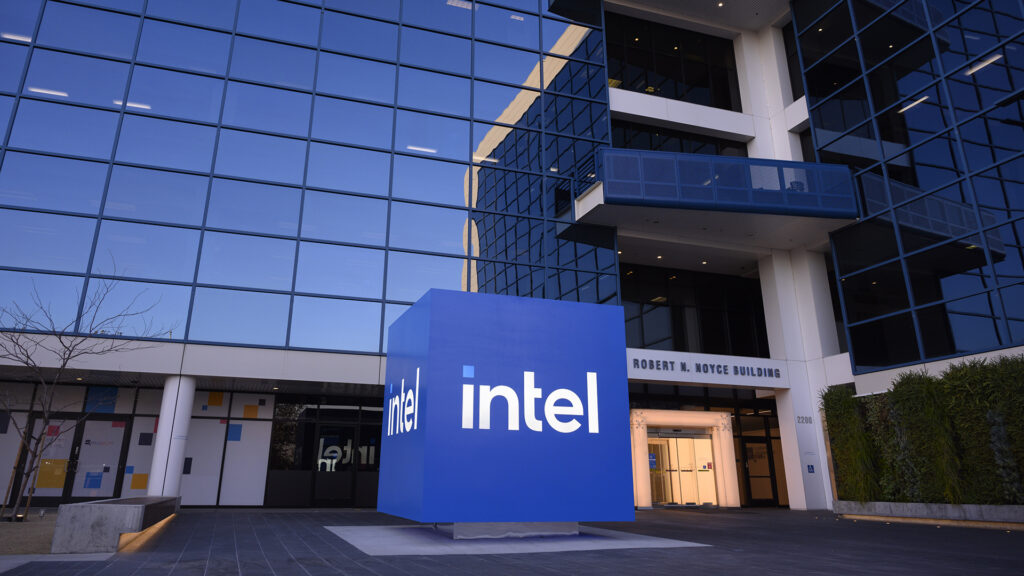
The stakes are high. Intel is already in crisis, facing thousands of layoffs and a potential withdrawal from advanced chip manufacturing if it cannot secure customers for its upcoming 14A process. This follows the 18A process, the foundation for its Panther Lake chips, which current CEO Lip-Bu Tan insists remains on track. Complicating matters, former President Donald Trump has demanded Tan’s resignation over his past business ties to Chinese companies.
Barrett dismisses the breakup plan proposed by some ex-board members as a distraction. “If you want to complicate the problem, then take the time to split up Intel,” he wrote. “But if you’re in the business of saving Intel and its core manufacturing strength for the USA, then solve the real problem — immediate investment in Intel, committed customers, national security.”