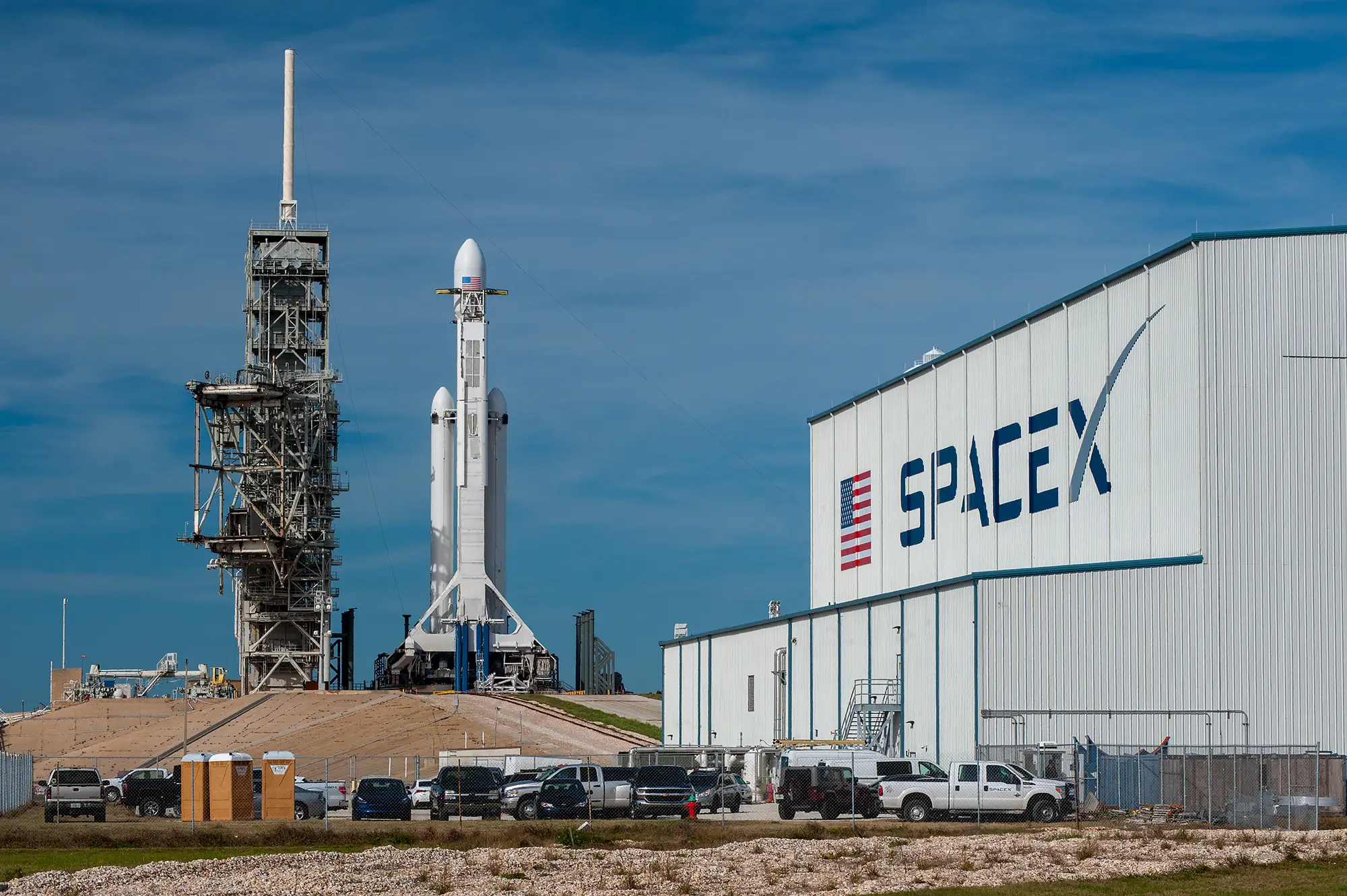
Investors buying SpaceX shares on the private market are facing growing uncertainty over what they actually own as the company moves closer to a possible stock market debut.
Because SpaceX shares have long been tightly held, many buyers have turned to secondary market structures such as special-purpose vehicles to gain exposure. These arrangements often involve several intermediaries and layers of fees, making it harder for investors to verify whether the shares exist or whether they truly hold a direct economic interest.
The appeal remains strong because SpaceX is seen as one of the most coveted private companies in the world, with expectations of a massive valuation if it goes public. That demand has pushed more investors into opaque deals despite the legal and financial risks.
Market experts warn that such structures can leave buyers exposed to fraud, overpricing and weak transparency. Recent pre-IPO fraud cases involving other companies have increased concerns that some investors may discover too late that they do not hold the rights they believed they purchased.
The case highlights how intense appetite for elite private tech companies is reshaping the investment landscape, while also creating fertile ground for confusion and abuse in the secondary market.