
The global aerospace industry is intensifying efforts to attract younger workers as artificial intelligence companies and other technology sectors compete for the same limited pool of engineering talent.
At the Farnborough International Airshow, aircraft manufacturers, defense contractors, universities, and industry groups used flight demonstrations, engineering competitions, and recruitment campaigns to encourage students to consider careers in aviation and aerospace.
The challenge is becoming increasingly urgent. The United Kingdom’s aerospace and defense sector is estimated to face an annual shortage of around 10,000 specialized engineers, even as companies struggle to meet record aircraft order backlogs and replace an aging workforce.
More than half of Britain’s licensed aerospace engineers are over the age of 50, while fewer than 10% are under 30. Although the sector has expanded substantially over the past decade, the supply of trained workers has failed to keep pace with demand.
The talent shortage comes at a difficult time for manufacturers such as Boeing and Airbus. Both companies are under pressure to increase aircraft production, improve supply-chain resilience, and develop new technologies while many of their most experienced engineers approach retirement.
Competition from the AI industry is adding further pressure. Graduates with skills in mathematics, software, physics, robotics, and systems engineering can often earn higher salaries and enter faster-growing roles at companies working on artificial intelligence, cloud computing, autonomous systems, and advanced software.
For aerospace employers, this means competing not only with rival manufacturers but also with companies such as OpenAI, Anthropic, and other technology firms seeking the same highly qualified candidates.
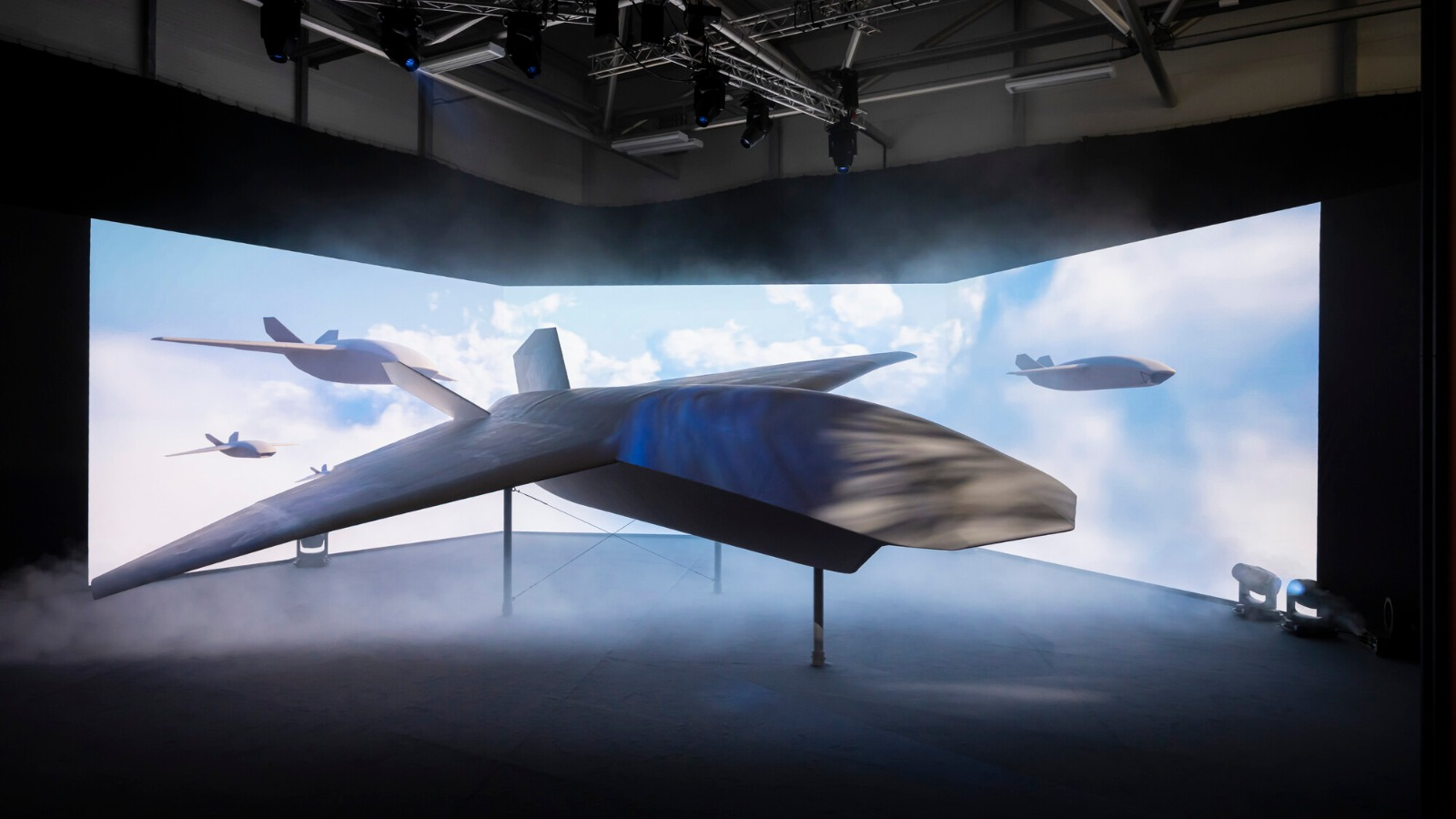
Industry leaders are therefore trying to make aerospace careers more attractive by emphasizing emerging areas such as electric aircraft, flying taxis, autonomous drones, sustainable aviation, and advanced defense systems. These fields combine traditional engineering with software, AI, materials science, and robotics, potentially making the industry more appealing to younger workers.
However, recruitment campaigns alone may not be enough. Many companies reduced apprenticeship and long-term training programs during earlier cost-cutting periods, weakening the pipeline that once brought young workers into technical careers. Graduate schemes and entry-level positions have replaced some of those programs, but industry groups argue that broader investment in education and skills development remains necessary.
The sector also faces a diversity challenge. Young women remain underrepresented in aerospace engineering, and students at the airshow said companies need to provide more information and outreach beyond major industry events.
For governments, the shortage has both economic and strategic implications. Aerospace, defense, and security contribute tens of billions of pounds to the British economy, while rising defense spending and the development of drones and autonomous systems are increasing demand for technical workers.
The industry’s future competitiveness may therefore depend on whether it can successfully present aerospace as a modern, innovative career path rather than a traditional engineering field being overtaken by software and AI.