OneXPlayer 3 Showcases Intel’s Next-Generation Handheld Gaming Ambitions
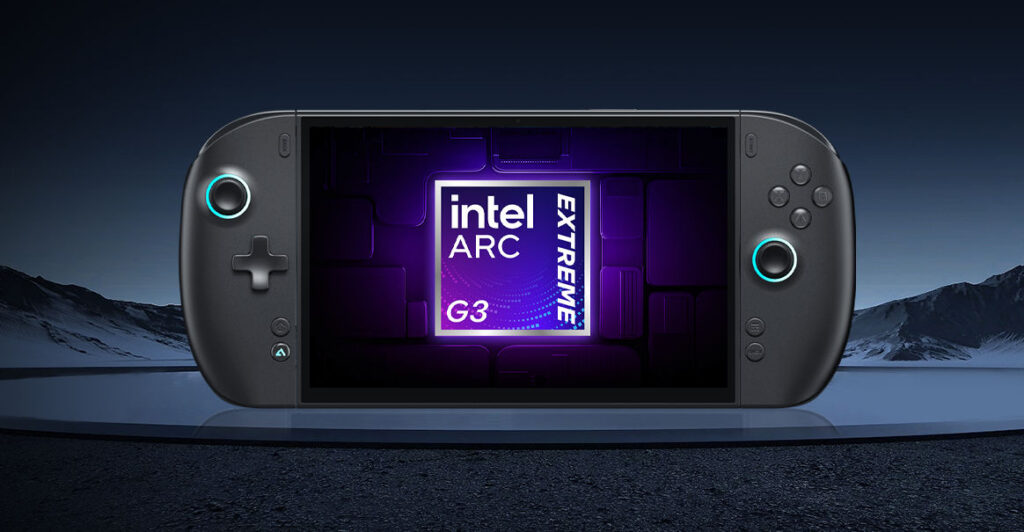
A new generation of handheld gaming PCs is beginning to emerge in 2026, and one of the most notable examples is the OneXPlayer 3. Powered by Intel’s latest Arc G3 Extreme graphics architecture, the device represents a significant step forward for portable PC gaming.
Unveiled alongside several other next-generation handhelds at Computex 2026, the OneXPlayer 3 aims to compete directly with devices such as the Steam Deck, Lenovo Legion Go and MSI Claw 8 EX AI+.
Detachable Controllers Return
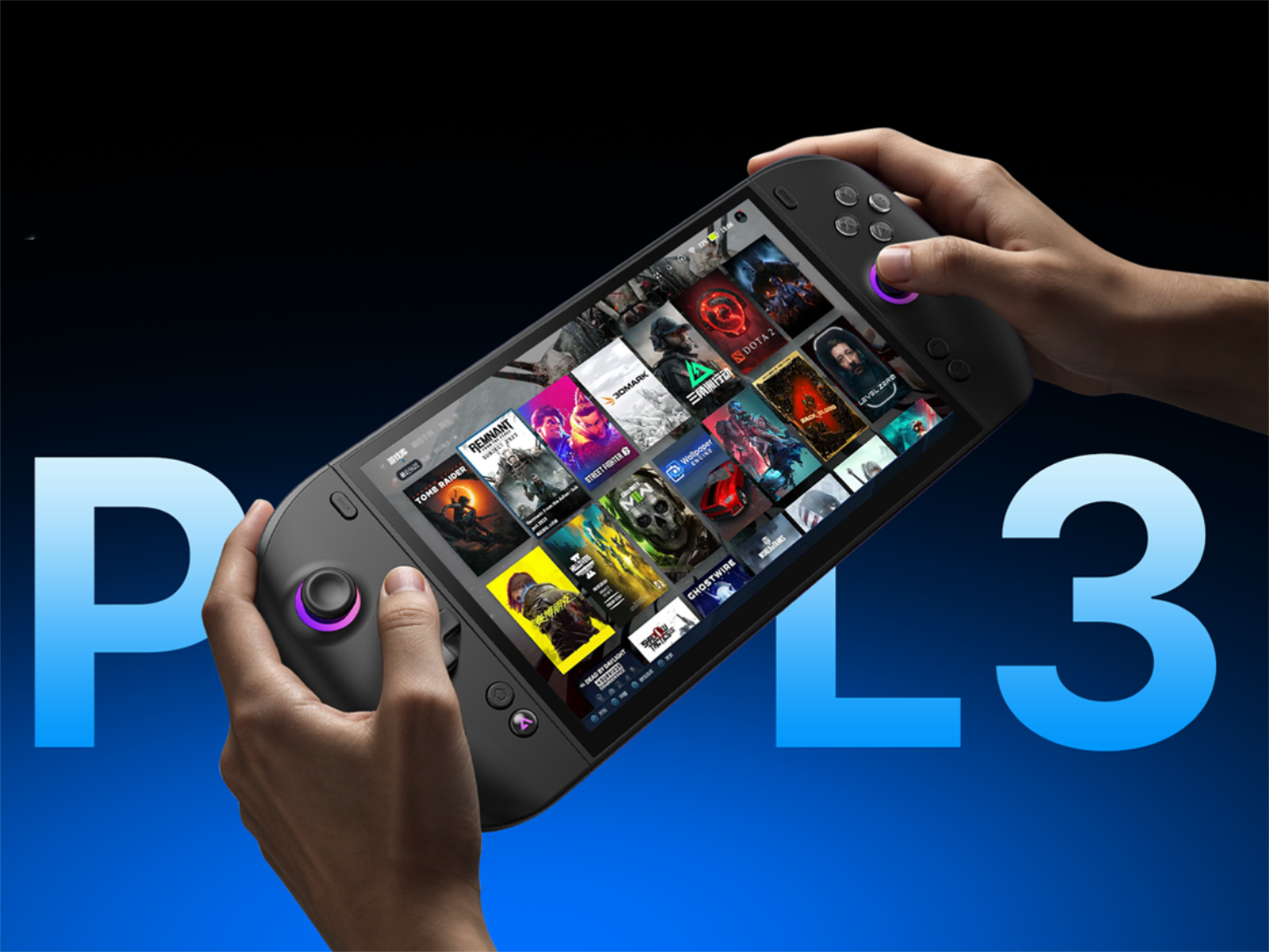
One of the most eye-catching features is its pair of detachable controllers.
Much like the Nintendo Switch 2 and Lenovo Legion Go, the controllers slide off the sides of the handheld, allowing for more flexible gaming configurations.
This design offers several advantages:
- Tabletop gaming mode
- Easier multiplayer experiences
- Improved portability
- More comfortable desktop-style play
The similarity to Lenovo’s handheld lineup has already led some observers to describe the OneXPlayer 3 as a more powerful evolution of the Legion Go concept.
Intel Arc G3 Extreme Takes Center Stage
The real story, however, lies inside the device.
The OneXPlayer 3 is among the first handheld gaming PCs built around Intel’s new Arc G3 Extreme platform, which is designed specifically to improve portable gaming performance.
Intel is hoping the new architecture can challenge AMD’s long-standing dominance in the handheld gaming space, where Ryzen-powered devices currently account for most of the market.
Competition in the Handheld Market Intensifies
The handheld gaming sector has become one of the fastest-growing segments of the PC industry.
Manufacturers are increasingly competing to offer:
- Higher frame rates
- Better battery efficiency
- Larger displays
- More powerful integrated graphics
- Console-like gaming experiences
The arrival of Arc G3 Extreme hardware gives consumers a new alternative to the AMD-powered systems that have largely defined the category.
A Growing Trend Beyond the Steam Deck
Since the success of Valve’s Steam Deck, manufacturers have been experimenting with increasingly ambitious handheld designs.
Recent devices have introduced:
- Detachable controllers
- OLED displays
- AI-assisted upscaling
- Higher refresh-rate screens
- More powerful integrated graphics solutions
The OneXPlayer 3 appears positioned as a premium enthusiast option within that growing ecosystem.
Can Intel Challenge AMD?
Perhaps the most important question is whether Intel’s Arc G3 Extreme can deliver enough gaming performance and power efficiency to compete with AMD’s latest Ryzen gaming handheld processors.
AMD currently powers many of the market’s most popular handheld gaming PCs, including products from Lenovo, ASUS and Valve.
The success of devices like the OneXPlayer 3 could determine whether Intel becomes a serious contender in portable gaming hardware over the next few years.
Handheld Gaming Continues to Evolve
While full specifications, pricing and release details have yet to be finalized, the OneXPlayer 3 demonstrates how quickly the handheld gaming PC market is evolving.
With Intel, AMD and even Nvidia increasingly targeting portable gaming platforms, consumers can expect a new wave of more powerful handheld systems to arrive throughout 2026 and beyond.