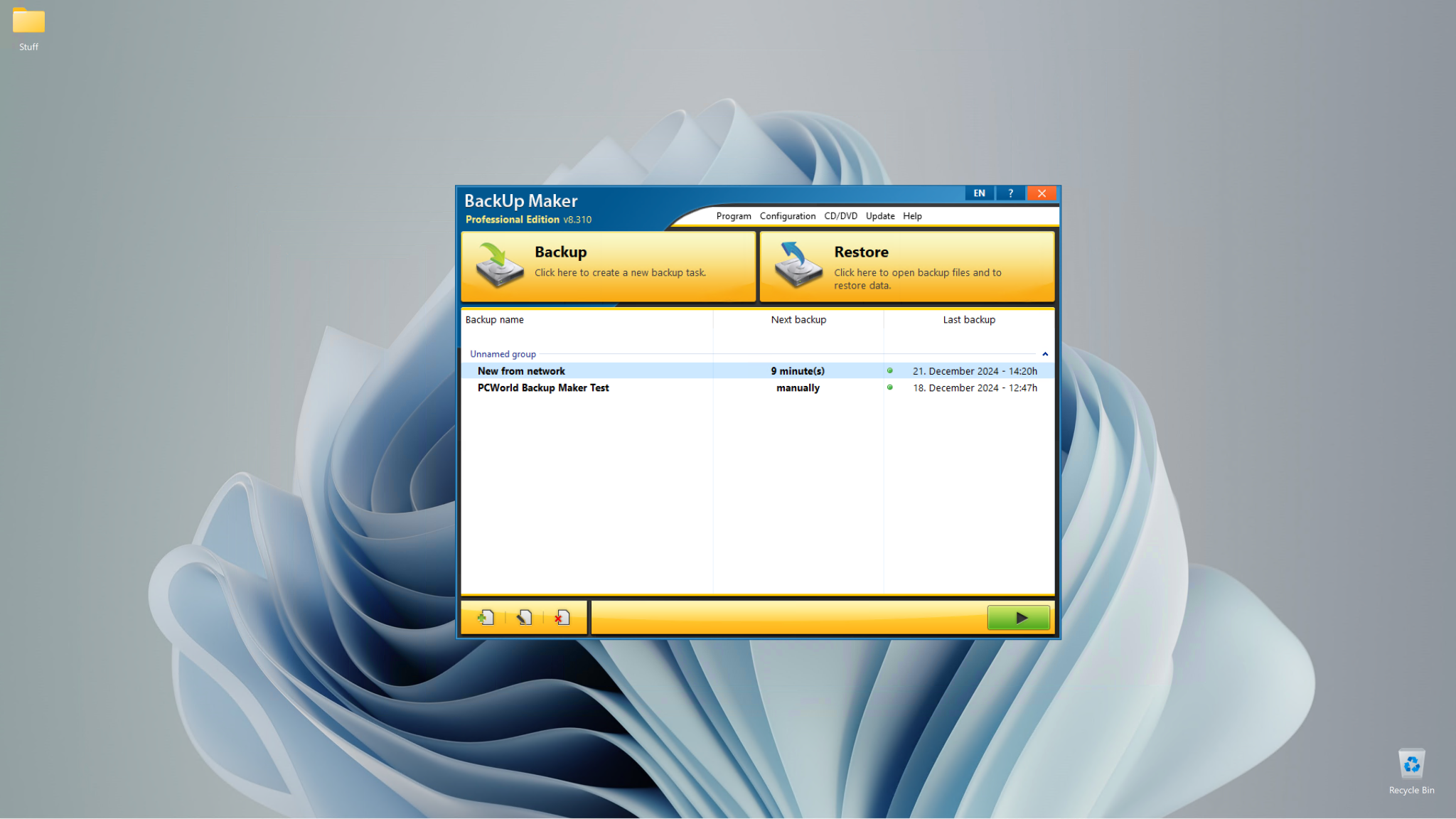


Windows 10 is heading toward its official end-of-support milestone, but the situation is turning out to be more complicated than Microsoft originally laid out. The operating system, which still powers roughly half of all Windows PCs worldwide, will no longer receive free security updates starting in October 2025. However, Microsoft has created an Extended Security Updates (ESU) program that allows users to continue receiving patches through October 2026—though with a catch. For most users, access to these updates requires either turning on Windows Backup tied to a Microsoft account, redeeming Microsoft Rewards points, or paying $30 annually for the privilege.
This approach immediately drew criticism, particularly from consumer advocacy groups in Europe. The organization Euroconsumers argued that Microsoft’s conditions were in violation of the Digital Markets Act of 2022, which prevents so-called “gatekeeper” companies from restricting access to one product or service based on the usage of another. In other words, forcing Windows 10 users to engage with Microsoft’s broader ecosystem in order to remain secure was seen as an unfair and possibly illegal practice.
Microsoft has since adjusted course. The company confirmed to Windows Central that residents of the European Economic Area (EEA)—which includes most of Western Europe but notably excludes the UK—will not need to activate Windows Backup, pay fees, or spend Rewards points in order to stay protected. Instead, they’ll receive the same extended updates free of charge until October 14, 2026, ensuring compliance with regional regulations. For everyone else, however, the hoops remain firmly in place.
This uneven treatment underscores the tension Microsoft faces as it tries to balance its push toward Windows 11 adoption with the reality that a massive portion of its user base is unwilling—or unable—to move on. Past transitions, such as the retirement of Windows 7 and Windows 8, did not carry this same level of regulatory pressure or market resistance. With the PC landscape shifting—many consumers relying solely on smartphones and others unwilling to buy new laptops just to upgrade—it remains to be seen if Microsoft will stick to its current plan, or once again extend Windows 10 support to avoid alienating millions of users.