
Microsoft Doubles Down on Optimizing Windows for 8GB RAM PCs
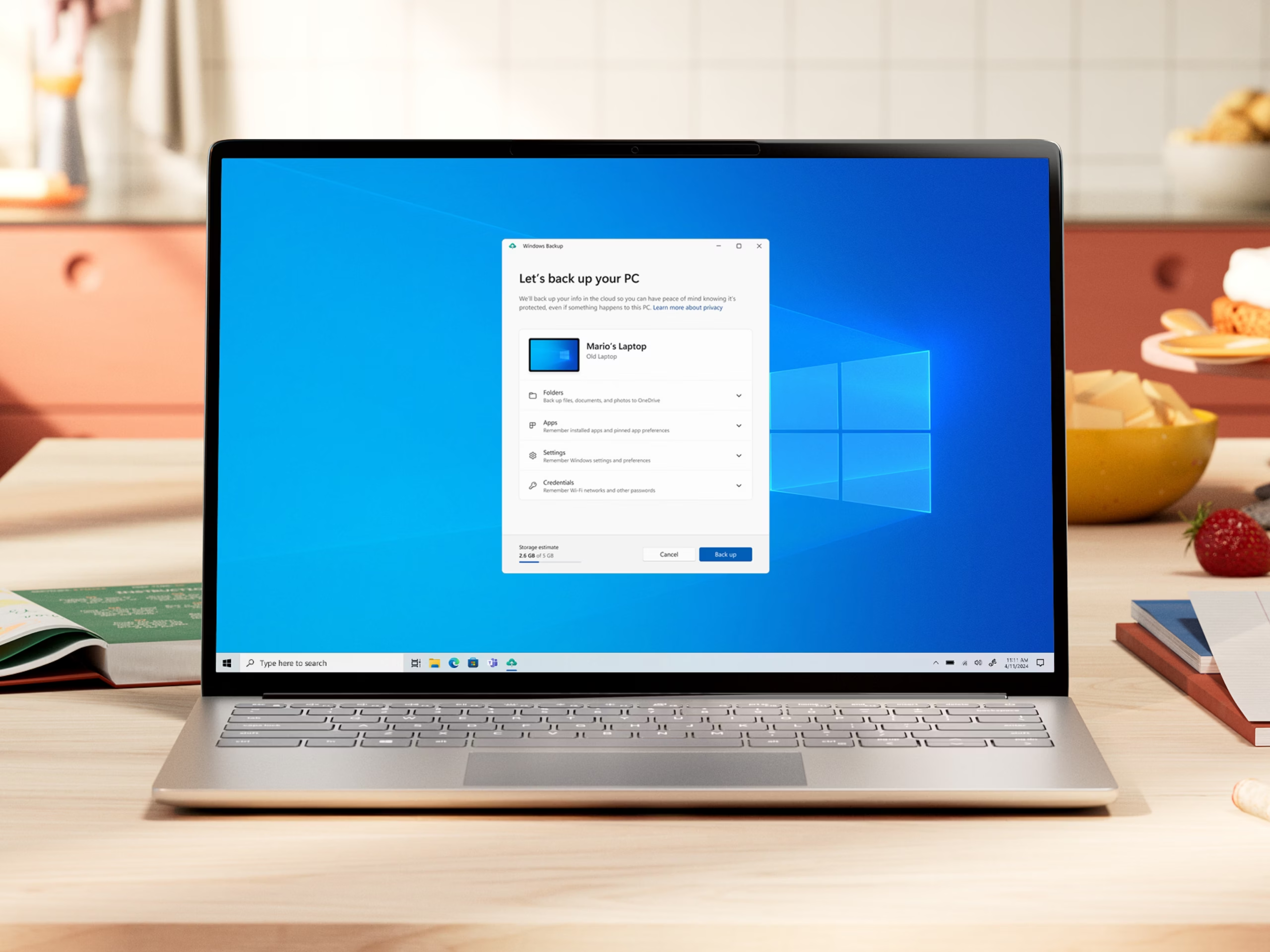
Microsoft is making memory efficiency a major priority for Windows, signaling that 8GB RAM PCs will remain an important part of its strategy despite growing criticism that modern Windows systems need more memory. Windows chief Pavan Davuluri says the company will continue optimizing Windows to deliver a smoother experience on systems with 8GB of RAM and above.
The renewed focus comes as PC manufacturers increasingly ship affordable Windows laptops with 8GB of memory while AI-driven memory shortages continue to push RAM prices higher.
Microsoft’s New Priorities for Windows
Davuluri outlined four major areas Microsoft plans to improve through the end of 2026:
- Faster and simpler Windows setup (Out-of-Box Experience)
- Memory optimization for PCs with 8GB RAM and above
- Improved Family features and parental controls
- More natural voice interaction across Windows apps
According to Microsoft, user feedback has shaped these priorities, and the company intends to continue refining Windows throughout the year.
Reducing Windows’ Memory Footprint
Microsoft says it has already introduced several changes aimed at lowering RAM usage across the operating system.
Current optimization efforts include:
- More efficient memory allocation inside Windows
- Continued optimization of the WinUI 3 interface framework
- Lower memory usage for applications built with WinUI 3
- Improvements to Chromium and WebView2 components used throughout Windows
Davuluri said these changes are intended to make Windows feel faster and more responsive without requiring additional hardware.
Responding to Industry Changes
The company’s renewed focus follows the introduction of several Windows devices equipped with only 8GB of RAM, including lower-cost Surface models.
Microsoft also appears to be responding to competition from Apple, whose tightly integrated hardware and software have enabled recent Macs—including the entry-level MacBook Neo—to deliver respectable performance with the same amount of memory.
Historically, Windows systems with 8GB of RAM have often struggled with multitasking, browser tab management, and overall responsiveness. Microsoft hopes software optimization can narrow that gap.
Windows Improvements Already Underway
Since announcing a broader Windows overhaul earlier this year, Microsoft has already delivered or previewed several changes, including:
- A redesigned Start menu
- Greater Taskbar customization
- More control over Windows Update
- Reduced Copilot integration in built-in apps
- Improvements to File Explorer
- Updates to the Windows Insider program
- Less intrusive Widgets
These changes form part of Microsoft’s broader effort to improve Windows performance, stability, and usability.
8GB Is Still the Minimum Practical Target
Although Windows 11 officially requires only 4GB of RAM, Microsoft’s latest comments make it clear that 8GB has become the practical baseline the company intends to optimize for.
However, Microsoft has not disclosed any performance benchmarks or internal metrics defining what it considers an acceptable experience on 8GB systems.
As RAM prices remain elevated because of the ongoing AI-driven memory shortage, Microsoft’s optimization efforts could help extend the usefulness of lower-memory PCs. Even so, users who frequently multitask, run creative software, or keep dozens of browser tabs open are still likely to benefit significantly from 16GB of RAM or more.