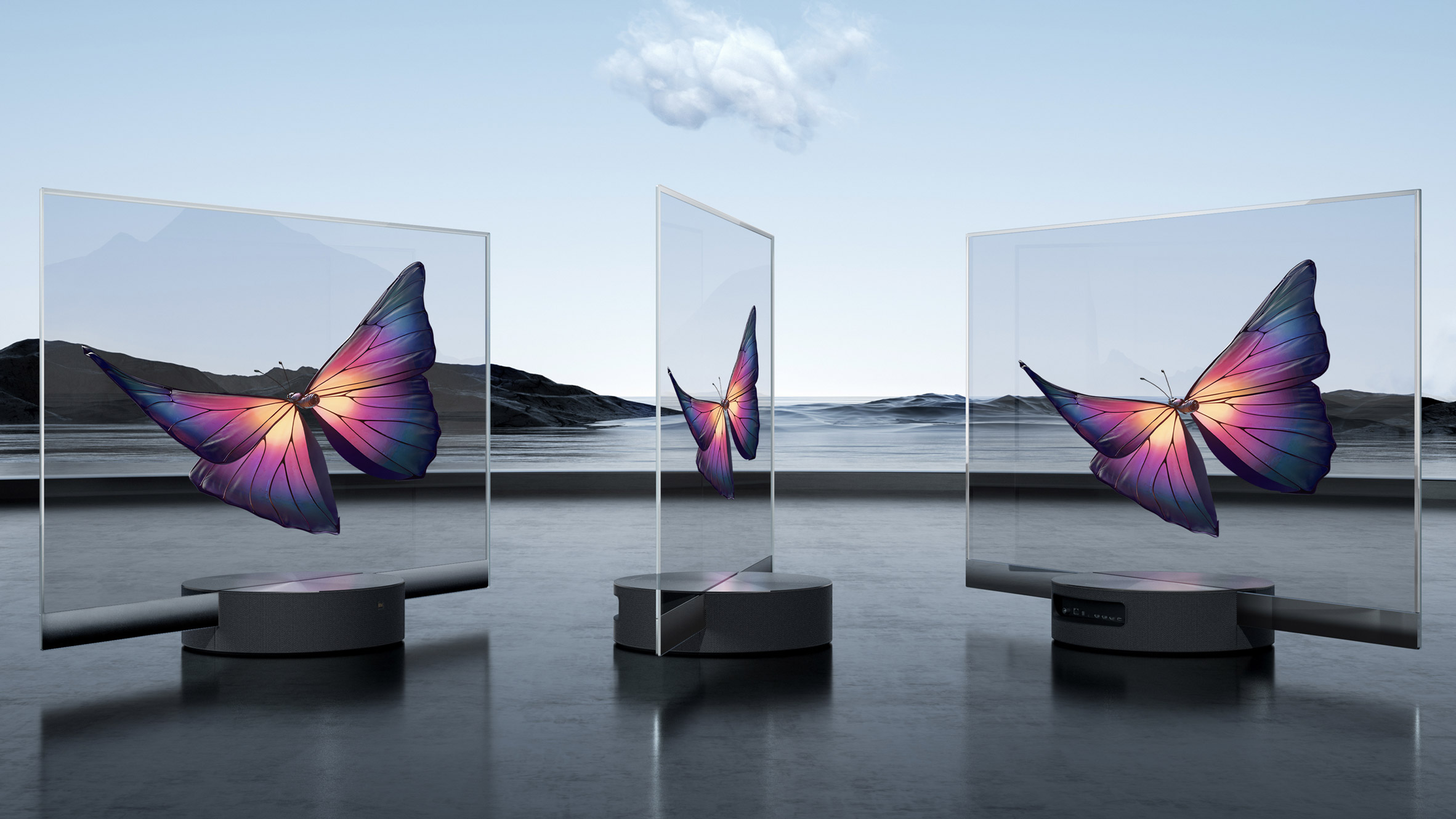
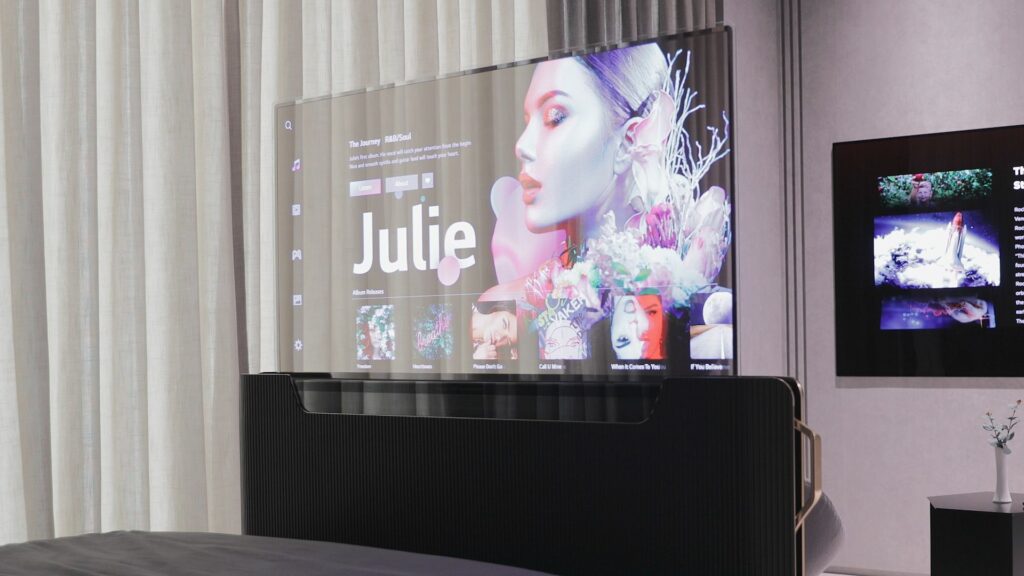
At CES 2024, LG and Samsung took a giant leap into the future of home entertainment by unveiling transparent TVs that seem straight out of science fiction. The sheer novelty of these TVs lies in their ability to disappear when turned off, offering an almost magical experience. While transparent screens have been in development for years and have been commercially available in some sizes, the recent showcase at CES marked a significant push towards mainstream adoption, transforming the concept into actual televisions.
The question on everyone’s mind is whether transparent TVs will soon become a staple in households. With major TV manufacturers like LG and Samsung actively promoting this groundbreaking technology, the prospect of having a transparent TV in your living room is no longer confined to the realms of fantasy. Considering the trajectory of past innovations such as micro-LED and OLED, which were once futuristic concepts and are now ubiquitous, the idea of transparent TVs making their way into our lives is not far-fetched.
Despite the awe-inspiring appearance of transparent TVs, they are not an entirely revolutionary leap in television technology. Instead, they represent an evolution, with the core technologies of these TVs being variations of each company’s existing TV tech. LG’s transparent TV, for instance, employs OLED technology, while Samsung’s version utilizes micro-LED. This reliance on existing technologies bodes well for the future accessibility of transparent TVs, potentially making them more affordable for consumers within a few years. While LG has plans to launch its transparent TV later this year, initial prices are expected to be steep, reflecting the early stages of this cutting-edge technology.
However, the road to having a transparent TV in your living room comes with some hurdles. Transparency in these TVs poses a challenge in creating true black, a crucial element for a high-quality viewing experience. Current solutions involve supplementary features, such as a roll-up back panel in LG’s case, to enhance contrast. Despite their current limitations, transparent TVs are undeniably a glimpse into the future of television technology, and as prices gradually decrease over time, these futuristic displays might find their place in our homes.